How Not to Pick a Wine Shop

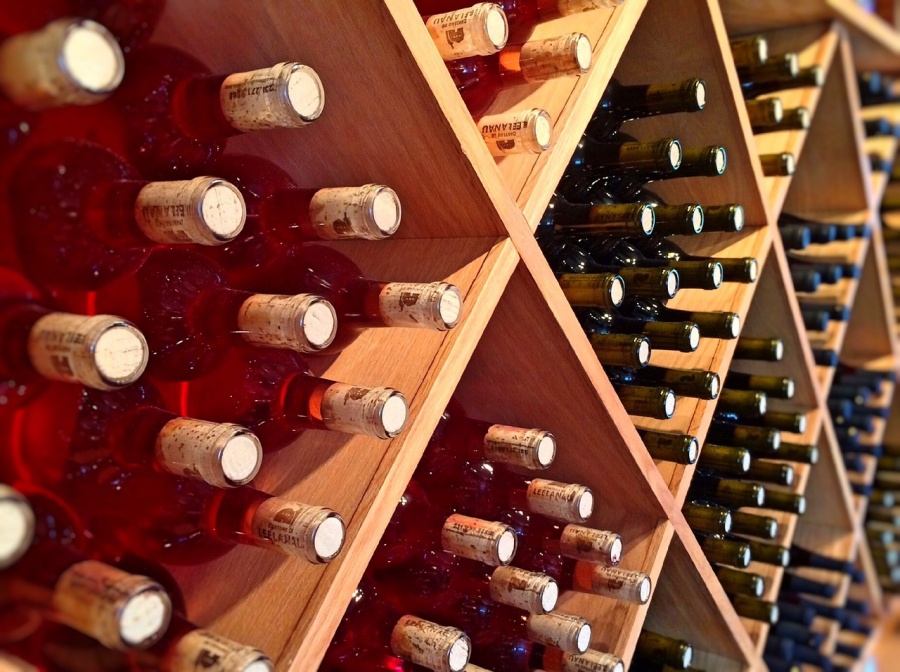
When you get into wine, one of the most important decisions you must make is choosing a wine shop. It’s as tough as choosing the bottle since many stores like to consider themselves experts but fall woefully short. They give the beverage a bad name and probably turn off more than a few would-be wine enthusiasts.

The fact is that stocking shelves with the stuff doesn’t make you an expert or even a decent wine shop. It takes learning and understanding wine, the philosophies of different countries, and, yes, terroir. It’s not merely pushing the deal you got from your distributor, nor is it necessarily slapping your business’s name on a bottle of plonk. Here are a few red flags of a wine shop you should avoid.

Lack of Expertise

Look elsewhere if the store manager congratulates you on your choice of Italian wine when you’ve bought a Spanish bottle. Yes, the languages are similar. But, seriously, at least learn the countries of what you sell to sound like you know something about wine.

Mistreatment of Bottles

We get it. Space is limited in a lot of storefronts. You want to offer a broad selection. However, if you’re going to bring in high-end bottles like a first-growth Bordeaux, at least have respect for the wine to not put it in direct sunlight or upright.

Oxidation and Light Stike

The main role of a manager of a wine shop is to know your clientele. Don’t waste everyone’s time and money with bottles your customers are unlikely to buy. That makes it hard when a wine enthusiast stumbles into your store and buys a Primitivo or Montepulciano only to find that it’s brown and tastes horrible because it’s been on the shelf under fluorescent lights for 10 months.

And for goodness sake, don’t put your best bottles on the top shelf just inches from the lights. Those wines deserve better.

Lack of Regional Knowledge

There’s more than one region in California, France, or New Zealand. You’ll find great bottles in the Central Coast, Loire Valley, and Hawke’s Bay. A manager of a wine shop should also know where the best bottle come from in a country or region. Hint: It’s not southern Chile or California’s Central Valley. Just saying.

Lack of Varietal Knowledge

We understand that a manager wants to stock the bottles that sell. It’s no accident that Cabernet Sauvignon is the most widely planted grape variety in the world. However, there’s more than Chardonnay, Sauvignon Blanc, and Pinot Noir. Try about 1,368, according to wine guru Jancis Robinson. If you’re going to call yourself a wine shop, at least have the knowledge to back up the claim.

Widely Over-Priced Wines and Gouging

Of course, times are hard, and everyone is trying to get by as best they can. That’s no reason to gouge your customers with widely over-priced wines. Just because a bottle is prestigious with an impeccable pedigree doesn’t mean you should double the price. It doesn’t matter if you have the occasional nouveau riche spender looking for the highest priced wine to burn some cash and impress their friends.

Can you say wine-searcher.com? We can.

Wine has a mystic that draws us closer to its magic. Unfortunately, that sometimes gets in the way of our good judgment. But those who are really wine people get it, too. It isn’t about cheating your customers or mistreating the bottles. Real wine people respect the tradition, their buyers, and the contents in the bottle. Finding a good wine shop is as important as choosing what to drink next.

Photo: https://pixabay.com/images/id-853109/

The Hidden Mystery of Tasting Wine

Tasting wine often seems so elusive to some people. They might read a review or just the back of the label to learn what they are supposed to smell and taste.

When they fail to get those particular aromas or tastes, they feel as if they aren’t getting it. They may feel frustrated, thinking that all they smell is grapes.

That’s too bad because they’re selling themselves short.

How People Smell

It’s helpful to begin with what our sense of smell works. That will make your experience less intimidating if you understand what’s going on in your nose and brain.

Smelling something—either good, neutral, or bad—is a two-step process. Bear in mind that it may happen so quickly that you won’t notice these things occurring.

That’s why it’s a good idea to live in the moment, and pay attention to what’s going on when you’re tasting wine.

Detecting Aromas When Tasting Wine

The first thing to occur when tasting wine involves your detection threshold. You know you smell something, but you’re not sure what it is. Several factors are at work here. They include:

  • The cleanliness of the glass
  • Your past
  • Genetics
  • The temperature of the wine
  • The variety (s) of grapes

As you can see, some don’t have anything to do with the wine at all. Lingering odors from cleaning products are a major distraction from what’s in your glass.

Many things also involve you. Years ago, I managed a pet store, back in the days when some businesses sold puppies. Our shop would usually have 10–15 pups at a time. As you can imagine, it wasn’t the most pleasant tasks to clean the cages every morning—not for the person doing it or anyone else in the store, either.

Perhaps as some weird kind of defense mechanism, I learned how to turn off my sense of smell. It’s something I do to this day when there are foul smells in the air.

The point is that people vary in how scent-aware they are. You might tune out different smells, too, for different reasons. That can, in turn, affect your perceptions when tasting wine.

The Wine’s Expression

Sometimes, it rests with the wine itself. Some grape varieties, such as Chardonnay, just aren’t that aromatic. The temperature also can affect how you perceive it.

Wines that are served too cold won’t be as fragrant just out of the fridge. Wait a few minutes to give it time to warm up, and try again. The chances are you’ll have a different experience.

Identifying Aromas

The second part of the process of tasting wine is the recognition threshold. Again, your past plays a role. If you have fond memories of picking blueberries with your parents, those aromas are going to jump out of the glass at you. You may either recall the memory or the smell first or together.

That’s because the sense of smell is one of the first ones to evolve. It became crucial to survival, whether you were smelling an approaching fire, or it’s a wolf on the scent of its prey.

Your genetics are another influence. Some people can’t detect certain volatile compounds. In the same respect, your tastes to some degree are also a product of your DNA.

The other thing to bear in mind is that we may have different thresholds. If you’re more sensitivity to foul odors, you’ll probably identify some wrong with your glass of wine quickly. If you detect a musky smell, it’s not you: It’s the wine.

Improving Your Sense of Smell for Tasting Wine

Getting better at detecting aromas takes practice, like any other skill you want to master. Make it a point to smell things when you eat or drink. Think of what the aromas are, and say them out loud.

You can try the same thing with spices in the cabinet, fruit or vegetables in the crisper drawer, and at the flower section.

Early in my wine journey, I learned about the benchmark aromas of different grape varieties, including Cabernet Sauvignon. A descriptor I often saw was cassis. I never had it before, so it eluded me.

One day, I went to my favorite bottle shop and bought a bottle. Black currant liquor sounded good. Unfortunately, for me, it was not. It smelled like an overripe tomato. But as sure as I’m writing this post, I know what cassis smells like and can recognize it.

You may come across other descriptors that you may not know. Go out on a limb, and learn them! Next on my list is lychees, a popular way to describe Gewürztraminer.

Experience is an excellent teacher. I can’t think of a better way to improve your sense of smell for tasting wine. Think of it as homework.

Image by Wokandapix from Pixabay

Things You Must Know About Wine Ratings

Wine ratings are a strange animal. We give them unquestioning power over our wallet. We let them guide our imbibing experience. They embolden our wine knowledge.

But do they really matter?

Wineries, winemakers, and retailers think so. That’s why you see all those shelf talkers. They boast of high scores and awards that a wine has received. They lavish praise on the skill of the vintner to tease out the beverage’s captivating aromas and delicious tastes.

Let’s put these things in perspective.

What Wine Ratings Tell You About a Place

You may see a wine described by its typicity, i.e., how accurately a wine reflects its origins and grape variety. You can easily test the concept for yourself by doing a tasting of a varietal wine.

For example, if you drink a New Zealand Sauvignon Blanc alongside one from France’s Loire Valley, you’ll note striking differences. You won’t need a lengthy wine description to help you identify the grassy, heady aromas of the former compared to the citrus aromas of lime and grapefruit for the latter.

The two different styles give you a clear idea of the effects of climate at the base level.

You can notice these differences with many of the so-called international varietals. Wines from cold climates have other aromas and tastes than ones from warmer areas.

That’s why wine ratings specify where the bottle is from to give you a heads-up about what’s in your glass.

Marketing to Different Wine Buyers

Let’s look at wine ratings from the marketing perspective for more insights. A 2008 study by the wine retailer Constellation analyzed sales data to determine six different types of wine buyers.

The Overwhelmed Buyer has hard time getting past the number of choices. They feel intimidated just at the thought of buying a bottle. They like wine and often find themselves choosing a wine based on its label. That’s one reason why brands such as Barefoot and Yellow Tail have done so well.

The Savvy Shopper is always on the lookout for a deal. They will bargain shop to get the best prices. The Satisfied Sipper knows what they like and doesn’t deviate far from the course. Big producers like Constellation and E&J Gallo bottle several brands with mass-market offerings.

The big producers also find consumers who represent the Traditionalists. These individuals respect the well-known bottles and define brand loyalty. The Image Seeker has enough knowledge to be dangerous, which they supplement with research on wine ratings.

Finally, Wine Enthusiasts know their stuff. These individuals take extra steps to build on their knowledge with courses, books, and webinars. Wine ratings make a difference to them, but they also know how to read between the lines.

As you can see, there are many facets to wine marketing that target varying comfort and knowledge levels.

What It Means to Taste Wine

It may come but wine critics can’t tell you what you’ll like. Only you can decide it for yourself.

The fact remains that a lot more goes on in the enjoyment of wine than what’s in your glass. It boils down to genetics. Let’s consider what physiology has to tell us about taste.

People have only three genes that determine how they perceive sweet and unami flavors. There are 25 for bitter.

About 20 percent of people are what science calls super-tasters with a lower threshold for detecting bitterness.

Several genes code for different aromas. That means you may taste something that another cannot.

A wine critic can speak to the technical aspects of the wine and winemaking. They can also talk about a wine’s complexity. That’s because they experience it differently than the average Joe.

A 2016 study looked at the physical variations in Master Sommeliers’ brains versus non-experts using fMRI. It turns out that challenging their sense of smell resulted in structural differences between the two groups.

Because professionals use smell so often, their brains have responded by creating more neural pathways. If you find wine intimidating because you can’t experience what they can, there’s a good reason for it.

Therefore, those wine ratings are reflecting their understanding of it and not necessarily what anyone else might notice.

Final Thoughts About Wine Ratings

We all experience wine differently because our hardwiring varies. Wine ratings capture what someone else detects in their glass. They have honed their sense of smell and trained their brains.

Perhaps, American wine dealer and writer Alexis Lichine summed it up best when he said, “The best way to learn about wine is in the drinking.”

Photo by Laura Peruchi on Unsplash

In Defense of Wine Descriptions

There has been a lot of noise lately about the value of wine critics and their sometimes lengthy wine descriptions. The push back has come from both in and outside of the Bacchus sphere. Perhaps, some of it is due to Robert Parker’s retirement.

Maybe that has empowered many to speak up against the value of wine scores.

The Value of Wine Descriptions

Much has been said about the esoteric nature of wine and how it intimidates many people. It’s understandable because of the mystic that exists around it.

How many industries have such a world built around them? We read reviews of gadgets on Amazon and don’t go waxing poetic about them. Wine is different. Reviews articles you see are mainly crap, anyway. It’s just marketing—and affiliate money.

One could argue that wine descriptions are in a league of their own. They don’t necessarily sell a wine in the way that a Consumer’s Report review would.

Instead, they offer vital clues to a person familiar with wine of quality and not always just price as some claim. A non-wine individual’s take would naturally scoff at heady wine descriptions if they don’t get it.

Defining Quality Wines

It’s essential to understand what defines quality in the wine world before one starts casting stones around the room. There are four characteristics that define quality versus plonk. They are:

  • Long finish
  • Balance
  • Intensity of flavor
  • Complexity

It’s a road map from acceptable to good to very good to outstanding, depending on how many boxes you tick off the list.

Even a neophyte has to understand that to describe something that embodies all those things takes some words. And anyone who has tasted even a few wines knows that they vary.

Logic tells us quite clearly then that lengthy wine descriptions are an unspoken measure of quality. A mediocre wine isn’t worth the hot air.

The complexity comes from the 30 or so chemical reactions that occur during fermentation. The chemistry still is at work in the barrel or vat and into the bottle.

The different compounds continue to form volatile chemicals that translate into the detectable aromas. Someone who isn’t accustomed to trying to determine them won’t know that they’re present.

There’s a good reason why the brains of sommeliers differ from those who aren’t experts.

It’s easy to criticize something you don’t understand.

Final Thoughts About Wine Descriptions

Not everyone likes wine. We get that. I don’t like soccer, bourbon, or prime time TV, for that matter. However, it’s easy to sit in the peanut gallery and bally about insults. Wine takes more than its share of hits.

I like reading wine descriptions. It’s fun for me to enjoy someone’s experience with a bottle. I may not have the same take on it, but I can appreciate how wine can transform an experience to the ethereal.

Perhaps, those critics can take a step into the light and learn something from someone who has expertise in something they have yet to understand.

Photo by Reiseuhu on Unsplash

The Need for Pesticides in the Vineyard

I am going to start with a radical statement that applies to the vineyard and agriculture in general. the need for pesticides is real. It applies to the home garden and commercial operation. The reason is…

We want our plants to grow and thrive.

You don’t want to spend all that time planting vegetables, anxiously waiting to start canning and freezing only to have your tomatoes succumb to blight. The same thing applies to a vigneron. Sure, they want to make a profit, but they also want to share their wine.

Let’s start with some facts.

The Need for Pesticides Is Natural

Plants and animals don’t sit by idly waiting for parasites and predators to devour them. Black walnuts produce allelopathic chemicals to reduce competition to survive.

Likewise, termites make the same compound that exists in mothballs for the same reason.

Remember what Darwin said about survival of the fittest?

The thing is that weeds, aka misplaced plants, are opportunistic. They take advantage of any opportunity or a bare patch of ground that they find. They have to do so. The alternative is a failure to survive.

Wine varieties vary in their ability to fight off parasites and disease. Carménère, for example, doesn’t do well against phylloxera. It needs help, which it, fortunately, gets from the sandy soils of Chile.

Alternatives to Pesticides

To underscore the need for pesticides, let’s look at the alternatives. The oldest and perhaps least invasive is to hand pull weeds out of the vineyard. That’s probably an option if you only have an acre or two.

How does a commercial vineyard with dozens of acres manage?

The fact is that it’s not an option in some cases. Sure, you can pull bedstraw, bindweed, or hog peanut vines out of your vines. However, if you’re dealing with something deep-rooted, it’s more work than you’ll want.

Timing is also a factor. It’s essential to manage weeds when you can minimize their spread. That means getting rid of them before they go to seed.

A viable alternative is cover crops. The advantage of this method is that you can reduce weeds in a way that minimizes your work.

Whether it’s grass or something else, they fill in space and act as a living mulch to keep weeds under control. However, it’s still essential to keep them in check so that they don’t overstay their welcome.

Putting the Need for Pesticides in Perspective

I approach this topic from an ecologist point-of-view. Planting anything that isn’t native or non-invasive is unconscionable to me. I spent too many hours getting rid of that crap to condone it, no matter what the reason.

My take is that cover crops are a tool. It may not work in habitat restoration, but it can be a viable way to manage weeds in some scenarios. That’s where the value of thinking out of the box comes into its own.

Photo by Jaime Casap on Unsplash