I am going to start with a radical statement that applies to the vineyard and agriculture in general. the need for pesticides is real. It applies to the home garden and commercial operation. The reason is…
We want our plants to grow and thrive.
You don’t want to spend all that time planting vegetables, anxiously waiting to start canning and freezing only to have your tomatoes succumb to blight. The same thing applies to a vigneron. Sure, they want to make a profit, but they also want to share their wine.
Let’s start with some facts.
The Need for Pesticides Is Natural
Plants and animals don’t sit by idly waiting for parasites and predators to devour them. Black walnuts produce allelopathic chemicals to reduce competition to survive.
Likewise, termites make the same compound that exists in mothballs for the same reason.
Remember what Darwin said about survival of the fittest?
The thing is that weeds, aka misplaced plants, are opportunistic. They take advantage of any opportunity or a bare patch of ground that they find. They have to do so. The alternative is a failure to survive.
Wine varieties vary in their ability to fight off parasites and disease. Carménère, for example, doesn’t do well against phylloxera. It needs help, which it, fortunately, gets from the sandy soils of Chile.
Alternatives to Pesticides
To underscore the need for pesticides, let’s look at the alternatives. The oldest and perhaps least invasive is to hand pull weeds out of the vineyard. That’s probably an option if you only have an acre or two.
How does a commercial vineyard with dozens of acres manage?
The fact is that it’s not an option in some cases. Sure, you can pull bedstraw, bindweed, or hog peanut vines out of your vines. However, if you’re dealing with something deep-rooted, it’s more work than you’ll want.
Timing is also a factor. It’s essential to manage weeds when you can minimize their spread. That means getting rid of them before they go to seed.
A viable alternative is cover crops. The advantage of this method is that you can reduce weeds in a way that minimizes your work.
Whether it’s grass or something else, they fill in space and act as a living mulch to keep weeds under control. However, it’s still essential to keep them in check so that they don’t overstay their welcome.
Putting the Need for Pesticides in Perspective
I approach this topic from an ecologist point-of-view. Planting anything that isn’t native or non-invasive is unconscionable to me. I spent too many hours getting rid of that crap to condone it, no matter what the reason.
My take is that cover crops are a tool. It may not work in habitat restoration, but it can be a viable way to manage weeds in some scenarios. That’s where the value of thinking out of the box comes into its own.
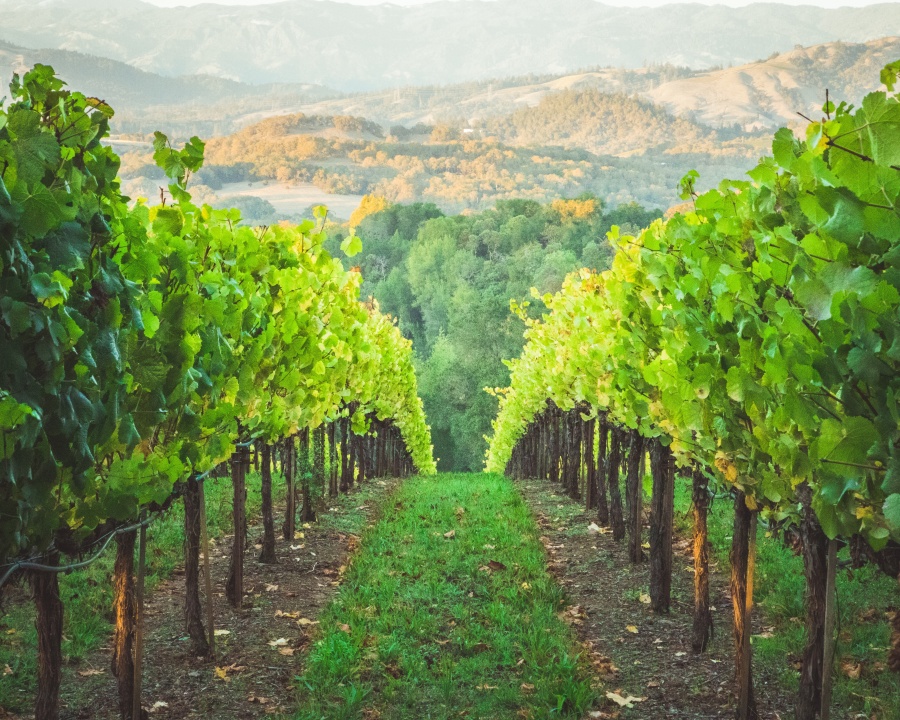
Photo by Jaime Casap on Unsplash