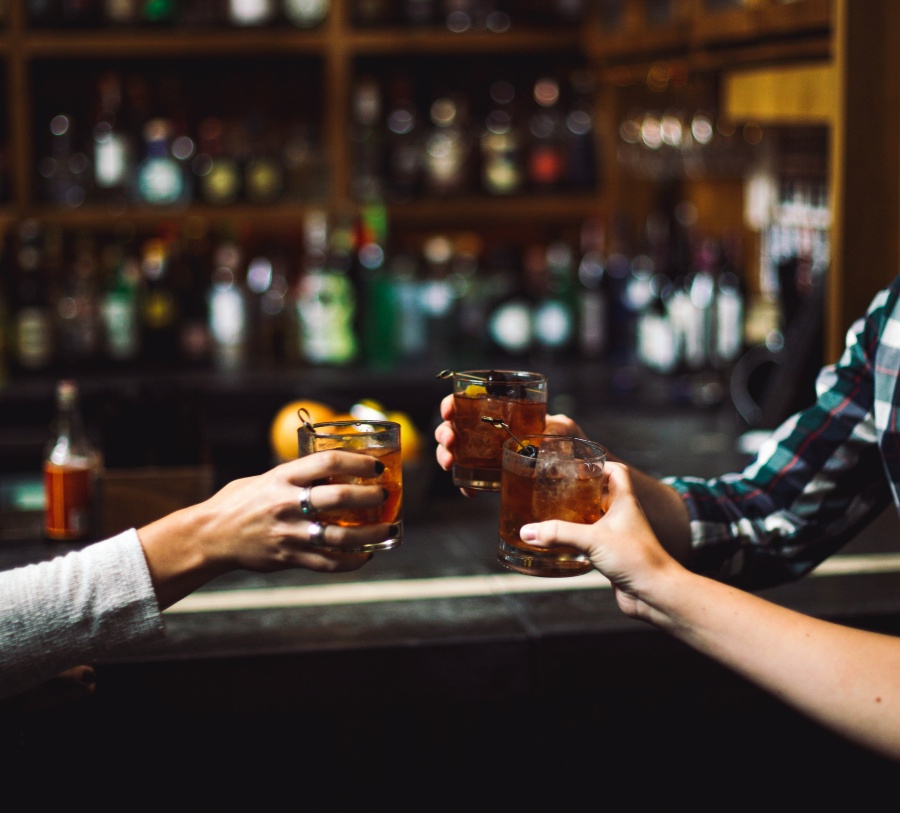
Our local watering hole has opened a new chapter, one that began with fire. In what seemed like minutes, our memories, hopes, conversations, and dreams went up in flames. The community we built seemed on the verge of collapse, just like the bar’s roof.
You don’t realize the value of your local watering hole and all it means until it’s gone. We missed everyone, from the servers to the regulars to the characters who strolled in once in awhile. We called ourselves refuges without our anchor to the sense of place and each other.
Wine Meets the Local Watering Hole
Another casualty was the loss of our weekly wine tastings. I haven’t added another entry to my tasting notebook since then. The last bottle we shared at the local watering hole was a Southern Rhône GSM. The entry is incomplete, presumably because we were so engrossed in the experience.
Wine has a way of doing that.
The bar provided the setting, and the wine conjured the magic. It brought our non-wine-drinking friends together for a glass. Those are times I treasure, with all of us sharing the moment.
Ironically, the setting wasn’t ideal from a wine perspective. The glasses were too small and sometimes in need of a good wipe. I tried my best to get the temperature right and do a proper wine service.
None of those little things mattered or marred the moment. The wine beckoned us all like a siren to enjoy the experience.
Finding a New Home
The fire took future moments away but not the memories. Our local watering hole is months or years from reopening, if it does indeed come to pass. The time since its occurrence has reinforced our takes on our community, such as the fundraisers given by local businesses to support the displaced employees.
That’s why we live in a small town.
Then, there are the times we recognize a fellow refugee at another establishment. We share a few pleasantries and enjoy knowing they are still there.
Wine’s place in our life has shifted from the local watering hole to home. We savor wine in proper glasses and often pair it with a meal. It’s a different experience without the tasting notes or the craic. The wine takes center stage.
But something’s missing.
Our small group sharing the wine and talking about it took it to the next level. However, wine needs company. It’s not as if we enjoy it less. Wine thrives on community and sharing. That’s what we miss.
The next chapter for our local watering hole has yet to be written. We can only hope wine is a part of the story once again, bringing us together along with the other refuges.
Photo by Kelsey Knight on Unsplash