We love wine just as much as anyone else. How can you not be intrigued by a wine label with a description “as crisp and refreshing as a cool breeze on a hot summer day?”
It is not a beverage that one gulps—though you can if you want. Instead, it is something to experience. That is one reason there are those bewitching descriptions that we see on the label.
Part of what makes wines smell so complex is the number of factors that influence what is in the glass.
There are primary smells that come from the grape variety or technically, the cultivar. There are thousands of them. However, only around 1,300 will make it into your glass. Each has its unique nuances. Think of how apples taste so different. They make up the nose of a wine.
Then, there are the secondary aromas that come from fermentation. The process of going from yeast and juice to wine involves around 30 different chemical reactions. Each one adds something to the mix.
Finally, there are tertiary smells that come from the aging process. They also add complexity, whether they spend their time in oak barrels, steel vats, or bottles. These two make up the bouquet of a wine.
Some aromas, however, challenge us.
First, it involves some training. Humans lack the developed sense that many animals have. Sometimes, it is just a matter of whether it is good or bad. But wine can surprise you.
Smelling like grapes is actually not the norm. Few varieties can claim that distinction. (Hint: muscat is one of them.) So, what is lurking in our bottle of wine?
1 Toast or Brioche?
The fruity smells you detect are the primary aromas. Some wines lose them over time because of the winemaking and aging process. Champagne is one of them. The subtle citrus scents will slowly give way to a toasty note reminiscent of brioche.
That comes from the oak barrels in which some of them spend months or even years. Other times, it’s just the aging process doing its magic.
Oak is a fragrant wood. It only makes sense that if you store wine inside of these wooden barrels that some would rub off and make it into the liquid. Sometimes, winemakers embrace it in its new state when the scents are strongest. Other times, they prefer something more subtle. In any case, it is a pleasant smell that makes the wine more interesting.
2 Pass the Petrol, Please.
Yes, this one surprised us until we actually detected it in our glass of Riesling. Petrol or kerosene smell is another one of those primary aromas that come from grapes. It is not horrible since there is no gasoline in the glass.
Instead, it is one of the products of chemical reactions going on while the grapes are still on the vine. The compound is called 1,1,6-trimethyl-1,2-dihydronaphthalene or TDN, for short.
TDN is a curiosity. We thought it was a fault with the wine until we learned more about what makes it happen. It turns out it is not a bad thing, but instead, a sign that things went well during the growing season, at least from the perspective of producing a quality product.
Riesling often makes an acidic wine, especially when grown in cooler areas. Combine that with a hot, dry summer, and you have set the stage for TDN. A lot depends on Mother Nature. After all, she is a major part of the winemaking process too.
That also means that vintners have less control over TDN than other aspects of their craft. Believe us when we say that it is a pleasant sensation. It’s one aroma that you may even see on the wine label.
3 Chalk It Up to the Soil.
We will not start a discussion about terroir and its effects on wine. Suffice to say that some wines have a distinct chalk-like smell.
Many of the things we eat and drink smell the way they do is because of their mix of volatile aroma compounds. The apple has over 300 of them (LINK 3). Some of these chemicals find their way to different foods and beverages.
Some wines, specifically, Chablis or Chardonnay from this region in France may have that aroma because the vines grow in Kimmeridgian chalk.
It helps too that winemakers do not age these particular wines in oak barrels. Nevertheless, the concept is debatable in some circles. Our take was that it was in there, and we enjoyed it.
4 Who Put Butter On the Wine Label?
We probably started pushing the limit with chalk. Here is another one to have you scratching your head.
Butter is a benchmark aroma for many wines, particularly, full-bodied Chardonnays from California. The chemical making us crave popcorn is butane-2,3-dione or diacetyl. It is a secondary aroma that comes from fermentation. It is also a flavoring in popcorn.
Winemakers use a process called malolactic fermentation or MLF to soften wines that are too acidic. They introduce a special kind of bacteria into winemaking that converts the malic acid giving them their tart taste to something less mouth-puckering, namely, lactic acid. That explains the creamy mouthfeel you may detect.
The end product, by the way, is also in dairy foods and milk-based beverages.
5 Just a Little Eucalyptus for Us.
This one probably makes a strong case of the concept of the land and all its part influencing the character of wines. Stay with us.
We often detect this aroma in wines from Australia. It tends to give them an herbal quality that borders on mint. It turns out that 1,8-cineole from eucalyptus trees is the culprit.
Researchers determined that two things may cause this scent.
Leaves from nearby trees could end up with the harvest. The other possibility is the volatile oils are deposited on the grapevines. You may sometimes detect it in domestic wines too where the tree is grown. While it may sound offputting, it also is enjoyable on the palate.
6 Sometimes You Feel Like a Nut.
Someone who does not drink wine might consider a glass with the addition of this one. This tertiary aroma is a product of oak aging like the toast we discussed earlier.
You may notice a wine label talking about American and French oak. There is a distinct difference in both what you smell and feel when you drink the wine.
American oak, specifically, white oak, has a coarser mouthfeel. You will also detect aromas like coconut, vanilla, or even dill. It gives us an impression of sweetness that we enjoy. French oak, on the other hand, does not have the same bold mouthfeel. It brings spice to the mix in a more delicate fashion.
What you smell and taste also depends on the age of the barrels. Some winemakers may also choose to toast the insides to varying degrees to lend complexity to the wines.
Others may forgo barrels altogether and make do with staves or power to save on production costs. Purists would argue that it is not the same as barrel time.
7 Put a Glass of Wine on the Barby.
Glad that you are still with us.
Some aromas are harder to get than others. The threshold that people have varies. Other times, they need time to develop.
One fascinating smell we get from Syrah, Chianti Classico, and other big reds like Bordeaux is meat. It may have some smoke to it too, especially if it was aged in charred barrels.
It is often something you will notice with wines that have some age on them. It typically results from fermentation and aging which creates these chemicals jumping out of your glass. The meat smell is usually subtle with the more noticeable fruity notes out of the way.
8 Oh, for a Sea Breeze!
We think this scent speaks to the wine’s location and provides some valuable clues about food pairings without even having to read the wine label.
We often pick up a briny aroma or minerality from wines from coastal areas like Muscadet in the Loire region in France, Vermentino from Sardinia in Italy, or Albãrino from northwestern Spain. It seems almost as if the salty air has drifted onto the vines.
As you may guess, they all are excellent choices to enjoy with seafood. Stick to lighter fare so that you can enjoy the briny character of both the food and wine.
9 Do We Smell a Horse?
We will admit that some wine descriptors push the envelope. Here is one of them.
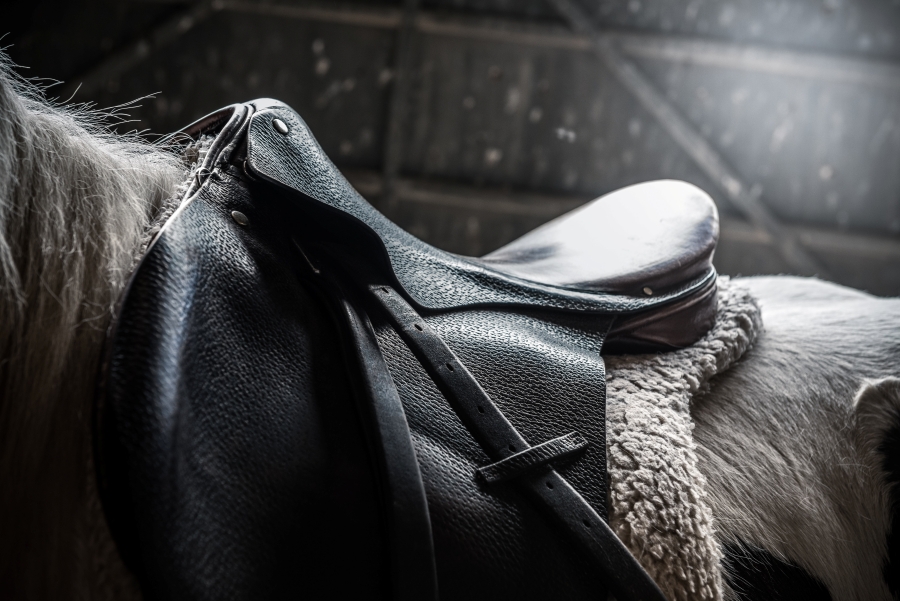
Brettanomyces or Brett is a genus of wild yeast that sometimes makes it into the wine. It can go the gamut from an intriguing spice aroma to something akin to a sweaty horse or barnyard smell. It can add complexity but may also overwhelm the wine.
That is part of the reason some vintners consider it a fault.
Brett is a tricky thing to manage. Wild yeasts are everywhere in the environment and vineyard. Some vintners even prefer the naturally occurring ones to the commercial varieties. It is often associated with wines from the Rhône in France, though it’s here stateside in Napa too.
Suffice to say that detecting it in your glass is certainly a conversation starter.
10 Who Let the Cat in the House?
We saved the weirdest one for last.
Some wines have delicate aromas that you have to tease out of the glass. Others jump right at you. Sauvignon Blanc is the quintessential example of a wine that has a lot to say. However, much depends on where it is grown.
Two French versions, Pouilly-Fumé and Sancerre in from the Loire Valley in France, have the distinction of having a benchmark of cat’s pee.
The chemical responsible for it is 4-mercapto-4-methylpentan-2-one, or 4MMP. It is part of a group of compounds known for their pungency. Think skunks, and you are the right track.
This aroma falls into that class of either you love it or hate it. Winemakers often embrace it, although you will not see that particular descriptor on the label. We like to think it gives an herbaceous note to our wine.
Photo by Jez Timms on Unsplash