The Palette and Circumstances of Wine

Admittedly, wine can tread into esoteric waters, intimidating those not bitten by the bug. A conversation with a non-wine-drinking friend reminded me of the palette and circumstances of wine. He asked if expensive wines are always good. Of course, that’s a loaded question, but worth considering.

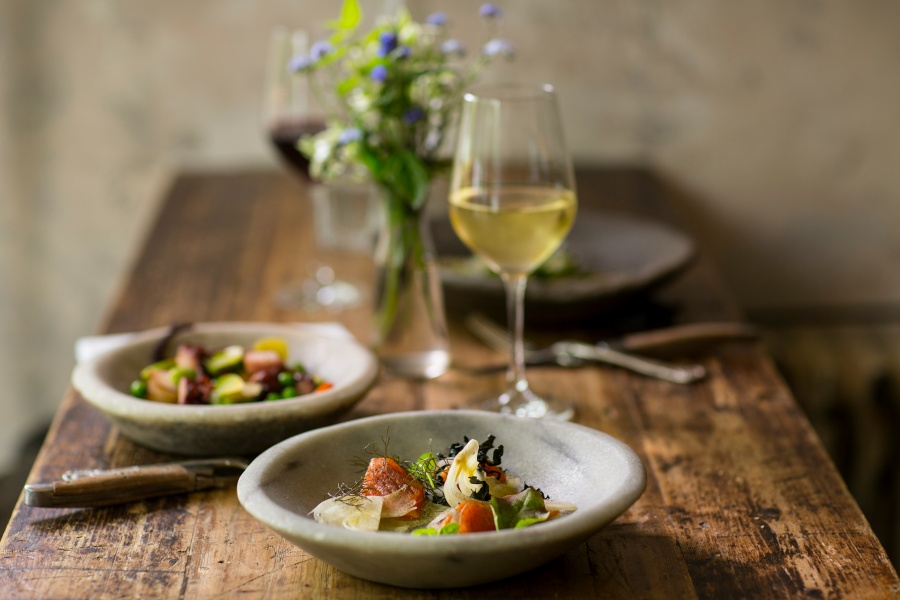
One can speak of terroir, the reputation of the winery/vigneron, and winemaking. There are uncontrollable variables of climate and precipitation. Trends, fashion, and other social factors influence what’s in the glass. However, it all comes down to the experience, along with the taster’s palette and circumstances of the wine.

Judging Wines

Tasting notes offer an excellent way to hone one’s skills. Experience is a wonderful teacher. As a watercolor artist, I see a myriad of greens once spring arrives. The sky changes from cool cerulean to warmer shades of ultramarine blue. Notes help you connect the intricacies of your palette and the circumstances of the wine to understand it more fully.

It gives you the vocabulary to voice your impressions.

The Palette and Circumstances of Wine

The discussion reminded me of another time talking about domestic Pinot Noir. Two family members adamantly cling to their passion for California wines, dismissing Oregon. Dismissing an industry with over 1,100 wineries seems a bit rash. However, it rests with the varying palettes.

I have a distinct Old World palette. I rarely order a domestic glass or buy a bottle. A gifted bottle of Caymus tasted too heavy and sweet for me. It wasn’t that the wine was bad. On the contrary, it was simply my preference for a different style. That’s also a two-way street. Oregon wines embracing a French expression may similarly seem different to someone used to bolder styles.

Circumstance Matters

Time, place, and companions influence one’s perception of a wine or other beverage. One warm summer evening, I remember sharing a bottle of warm Pimms with a few family members. We were on vacation, sitting together on a porch. We had nothing to drink; the Pimms was all we had. So, we passed the bottle among us.

Many would cringe, but, at that time, in those circumstances, the Pimms was wonderful. It became part of the family lore and a cherished memory. The drink is an integral part of the story.

Making the Most of Wine

The palette and circumstances of wine have a certain magic. You can’t always snap your fingers to conjure these moments. They happen when you least expect it. I think A.A. Milne said it best about enjoying the moment, the company, and the wine in the timeless classic “Winnie the Pooh.”

“We didn’t know we were making memories, we were just having fun.”

Photo by Theme Photos on Unsplash
The Push for Indigenous Grapes

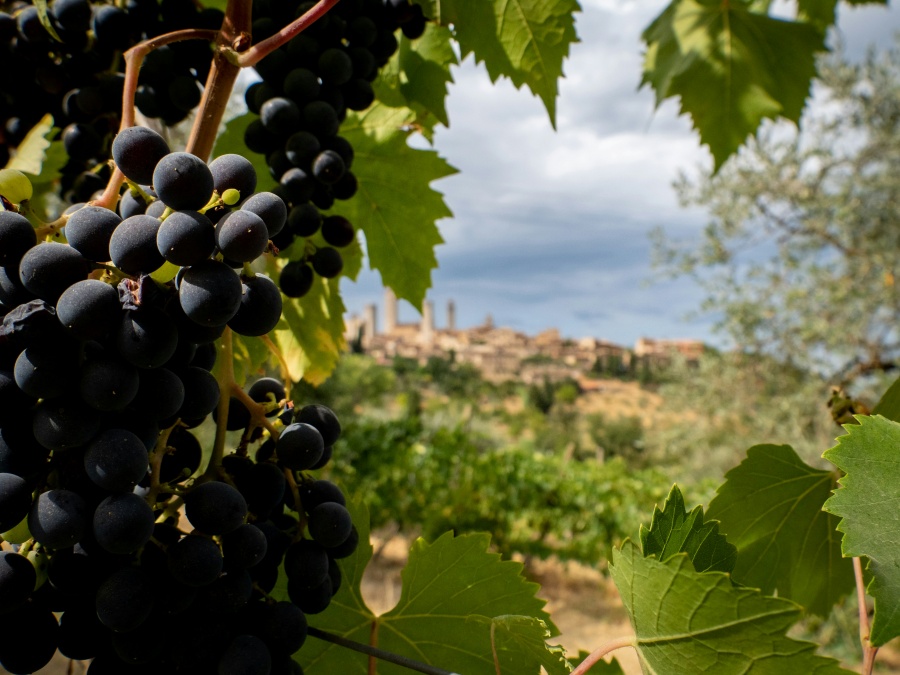
We know the so-called international grapes like Cabernet Sauvignon, Chardonnay, and Pinot Noir. The title is fitting, given the global range of these varieties. They are an excellent bridge for newcomers to wine. But what about the indigenous grapes that often have stood the test of time? Where is their place in the sun?

The Barriers to Indigenous Grapes

The names of well-known grapes are familiar and not scary to someone new to wine. They are conversation starters with bottle shop staff. They are also the varieties you’re more likely to see in mass-market offerings. Of course, it helps if the wines have a cute name or feature an animal or attractive label.

Then, there are the indigenous grapes, with names like Xinomavro, Grüner Veltliner, and Lledoner Pelut. Some people have a fear of things they can’t produce in the foods and beverages they consume. That gives some varieties an obstacle out of the gate.

The Unknown Known

The obscurity of some indigenous grapes is another strike against them. We assume if something is good that we’ll see it everywhere. Every winery must have its take on a winner with its unique touches. If no one else sells the variety, something must be wrong or off about it.

However, that goes both ways. There was a time when a popular wine grape suffered the same fate for being over the top. The “Anything But Chardonnay” movement was pushback for the buttery, unctuous California wines that pushed the envelope on flavor during the late 1990s.

The reasons that many indigenous grapes may have stayed under the radar are many. They aren’t all the same. Some are notoriously difficult to grow for a myriad of reasons. Others are more susceptible to vine diseases. Some varieties prefer it warm, whereas some don’t produce good wine if it is too hot, cold, or dry.

The Nebbiolo grape is a classic example. This red variety makes outstanding wines from appellations like Barbaresco and Barolo. It’s royalty among Italian indigenous grapes. However, this variety prefers its feet in northwestern Italy. Others have tried but haven’t succeeded on the scale Nebbiolo has achieved in its homeland.

These peculiarities have pushed some varieties to the point of extinction. Luckily, some, such as Carménère, have found new life in new homes. In this case, this red grape has succeeded admirably in Chile. However, there are other reasons why some indigenous grapes are seeing a renaissance.

The Benefits of Native Grape Varieties

One benefit that indigenous grapes offer lies in their obscurity. If you’re a winemaker and want to stand out from the crowd, what better way than to produce something no one else is doing? Of course, marketing is a big part of the trajectory.

But people love a story. Many varieties have fascinating histories within the communities in which they were developed and grew. It helps to showcase them with a particular dish or cuisine to allow a consumer to enjoy it from a gastronomic perspective.

Another emerging trend exists with young winemakers. Perhaps it was a family business. They might gravitate to the grape varieties their grandfathers grew to add substance to the stories. Or maybe an overlooked row of wines in the vineyard isn’t what they thought it was but instead was an old variety everyone thought was long gone. However, the decision to plant indigenous grapes might be a practical one.

Climate Change

Any experienced gardener will tell you native plants grow best in a particular area instead of delicate non-native ornamental varieties. Their DNA has the necessary traits to deal with the vagarities of the local climate, including challenges like drought and extreme temperatures. That’s why Nebbiolo loves its Italian homeland.

A valuable lesson exists with indigenous grapes. Remember that many factors influence vine growth, such as soil, topography, aspect, and precipitation. The French group these elements under the umbrella of terroir. Opting for these varieties can give winemakers a headstart with plants habituated to the environment and its challenges.

It’s worth noting that whatever a winemaker must do to ensure a successful harvest costs money, whether it’s irrigation or pest control. It’s a critical factor with declines in wine consumption and hits on their bottom line. You can think of it as the essence of sustainability, economically and environmentally.

Final Thoughts

Indigenous grapes have much to offer people new to wine or those well-acquainted with its virtues. They have stories of cultures and endurance. Their names may not roll off your tongue like Cabernet, but they can give you another take on wine to help you appreciate it even more. They can also provide an excellent suggestion for dinner tonight.

Discover Your Favorite Wine.

Photo by Flo P on Unsplash

Gouais Blanc and Pinot: A Tale of Two Grapes

When you say wine grapes, you probably envision maybe a handful of the more popular varieties, such as Chardonnay and Merlot. The truth is that it’s more like 1,368 grapes commercially grown, according to Jancis Robinson. Remember that vines are like any other commercial crops. Viticulturists create variations to suit their needs or that of the terroir. Then, we have the story of Gouais Blanc and Pinot.

You probably don’t know the former. It’s lucky that it still survives. Of course, the latter is legendary. It’s probably high on many lists of best wines. The two varieties share a special connection that permeates throughout the wine world.

The Grape Gouais Blanc

Even though you haven’t heard of it, Gouais Blanc has been around for a long time. It’s been a wine grape since at least the Middle Ages, although some evidence suggests it goes back even further in history. It’s a white grape that is productive, with large clusters and berries. It handles winter frosts relatively well.

Wine from Gouais Blanc is quaffable, with enough acidity not to be flabby and delicate aromas of pear and green apple. However, it didn’t have the best of reputations, being considered a wine of peasants. Even its name gou was a derogatory term in France.

Interestingly, some individuals fought to ban it in France through the ages. Pinot Noir was the darling. If that sounds harsh, Gamay, which many know as simply Beaujolais, had a similar rocky history. The Duke of Burgundy, Philippe the Bold, outlawed Gamay to give Pinot Noir the spotlight, calling it harsh and disloyal.

Gouais Blanc’s critics almost had their way. The grape variety has managed to survive but isn’t available commercially, at least not in France. It exists in pockets in Switzerland, Italy, and Germany. That says nothing of its importance to the wine world.

Pinot and Its Variations

Of course, Pinot is another story. After all, the variety has royal backing. It’s also an ancient grape, with time and a propensity to mutate. Hence, we have Pinot Blanc, Pinot Gris (Grigio), and Meunier. It has over 1,000 clones, propograted for particular terroirs and needs.

Pinot’s history is a mystery, with many theories about its origin. Some suggest it may be a domesticated wild variety, which has yet to be proven. However, it’s one thing if a variety is selectively grown for desirable characteristics. But something else in the vineyard makes the story of Gouais Blanc and Pinot so intriguing.

Gouais Blanc and Pinot

Remember that we’re talking early in what we’d consider the beginnings of the commercial wine industry proper. There weren’t as many grapes, so vignerons worked with the ones available, including Gouais Blanc and Pinot. The full story of the two and others would unfold once DNA technology hit the forefront.

Seminal research by Carole Meredith at the University of California-Davis discovered that Gouais Blanc and Pinot were the parents of at least 16 grape varieties, including perennial varieties like Gamay, Chardonnay, and Aligoté.

Further investigation revealed the Gouais Blanc is a parent of roughly 81 varieties, such as Furmint, Riesling, Melon de Bourgogne (Muscadet), and Chenin Blanc. The scientific literature gave the grape the tongue-in-cheek moniker “the Casanova of grapes.”

Many of the varieties we enjoy today can trace their history to three grapes: Gouais Blanc, Pinot, and Savagnin. The latter is a different variety from Sauvignon Blanc. The current thinking is that it’s a cross between Traminer and Chenin Blanc.

Suffice it to say that grapes and their wines have a complex history.

However, that’s what makes learning the stories about varieties like Gouais Blanc and Pinot so fascinating. It delves into the cultural history of the wine regions and their peoples. It explains why individuals may have chosen specific crosses because of their challenges in the vineyard. It makes you respect them a whole lot more.

Discover Your Favorite Wine

Photo by Molly Bailey on Unsplash

Explaining Wine Passion

C’est compliqué. It’s complicated. That’s probably the best way to explain unbridled wine passion. Even people immersed in it may find it hard to put into words. One thing that connects many of us is a wine moment when the veil dropped to the floor, and we knew it. Something changed.

Master of Wine Jennifer Simonetti-Bryan talks of a perfect wine-food pairing of Sancerre and herb-crusted salmon that she found sublime during a business luncheon. At his grandfather’s urging, the late Steven Spurrier recounted tasting a 1908 Cockburn on Christmas Eve when he was a mere 13 years old.

People come to wine from all sectors and realms. Wine isn’t just alcohol. It’s history. That’s what makes wine passion so fascinating. It’s as if you’ve gotten in touch with our collective journey. Life sometimes gets in the way of feeling its magic. However, it’s still there, beckoning us to embrace it.

Describing Wine Passion

You can group wine passion with anything a person finds a connection. I knew I wanted to be a writer when I was in eighth grade. I feel blessed and fortunate that my dream became a reality. You can describe it as an ah-ah moment that happens to involve wine. It’s like when you see the image in an optical illusion. You can’t un-see it.

Interestingly, wine passion has captured people previously uninvolved in the industry or pastime. Sometimes, it occurs unexpectedly. It has redirected some individuals to a different career path. We can speak of the captivating taste and enjoy the feeling it gives us. But, this fervor is something more. It’s a drive.

Unlocking the Stories

An intriguing aspect of wine is learning the stories. We like to know the people behind the scenes. Who doesn’t like a good romance? One of the things I enjoyed on my wine journey was learning about the land, its people, and the culture of the various regions.

For example, it wasn’t just the grapes. It was learning about the topography and climate that allowed some varieties to thrive in certain places. That segues into the culture and the foods that complemented the wine. The wine also creates its own story. Take Vin Cuit.

Vin Cuit isn’t a beverage you’ll find at your local bottle shop. It is a specialty of the Palette AOC of Provence. People make it by cooking grape must for 10 hours over an open fire to concentrate the flavors of the Grenache Noir variety. It’s potent stuff, as you can well imagine, and requires something special to drink with it. The locals imbibe it on Christmas Eve with 13 different desserts.

It doesn’t get much sweeter than that.

Some stories sound unbelievable in today’s world. Take the accounts of Champagne during World War II. Winemakers, or more correctly, vignerons, bravely defended and preserved their wines from Nazi occupation, with some paying the ultimate price. The book “Wine and War” is an excellent read that will astound you about this little-known chapter.

Let’s just say you’ll never experience a glass of Moët & Chandon Champagne the same way again.

Following Your Own Path

These accounts show you can approach wine from whatever place or front you choose. There isn’t a set or correct path. Many refer to it as a journey. You forge the way ahead wherever you want to explore. My wine passion includes the history of what’s in my glass. I’m fascinated by wineries that have existed for generations.

However, if you just want to enjoy the wine without any fanfare, go for it! Just know more is waiting for you if you want to delve deeper. It can make that glass of wine much more interesting than throwing back a beer. The story awaits.

Photo by Stefan Johnson on Unsplash

A Word About Neuroplasticity and Wine

When you buy via links on our site, we may earn an affiliate commission at no cost to you.

Savoring wine involves brain activity and adaptation. You might remember the first time you drank coffee or even beer. You might not have liked it, but you probably learned to enjoy at least one. Last time, we discussed how sommeliers’ brains differ from non-wine drinkers. It’s not necessarily a matter of being smarter about it. It involves adaptation, neuroplasticity, and wine.

Science used to tell us that the brain stops growing after a certain time in our lives. It supposedly remained static. Research has since told us that it continues to evolve and respond to stimuli in its world. It builds new neural pathways to improve our ability to navigate our world. Neuroplasticity has a significant impact on how we experience wine.

Detection and Recognition Thresholds

Scientists describe our ability to detect scents as detection and recognition thresholds. The former is when you know something is there. Since smell and memory are closely linked, it may trigger a response or emotion. This edge varies with the scent or odor if it’s unpleasant. External factors also play a role. However, it’s set in genetics. It may decline with age or other circumstances.

The recognition threshold is the interesting one. That’s when you pick up and identify a scent. That comes from experience and learning. Perhaps you were more likely to smell your food as a kid, which set the ensuing results in motion. From a wine perspective, it may continue to evolve when someone says what aromas they detect when swirling and sniffing a wine.

Some wine descriptors are valid but may not be as familiar to us. A classic example is berries. You may need to refresh your sensory memory with strawberries, raspberries, blueberries, and blackberries. The differences are subtle, but they’re there if you pay attention.

Using Neuroplasticity and Wine to Improve Your Experience

When you smell something and identify it, you are creating and reinforcing neural pathways. Sommeliers do it regularly. That’s why it seems so mysterious to others when they spout a list of descriptors. Some people may take these honing skills to the next level with wine aroma kits. It’s like weightlifting for your nose. You get better at it because you practice it.

Tips for Experiencing Wine

One way I like to improve my skills is with yogurt. I buy different flavors associated with the wines I drink, like blueberries with Malbec or Côt when in France. I imagine the wine before I open the carton. Then, I take a big sniff. The important thing is to get the most you can out of that first whiff. It makes the strongest impression. The other concern is biology.

Scientists categorize scents as either tonic or phasic. An example of the former is pain. While you’re hurting, you’re well aware of it. That’s saying nothing about your tolerance. It only speaks to your perception. For good or bad, smell is part of the latter group.

Your body adapts quickly to what it detects after discerning if it’s a cause for concern or action. It makes evolutionary sense for your brain to tune out what doesn’t require a response. Keep it in mind when you take that first sniff of a wine. Get the most you can out of it while you can. Swirl your glass to release more aromas when your brain is on high alert.

I talked about recognizing scents when you’re told what’s there. That’s where the wine’s description can help you. Many commonalities exist between the various grapes, so don’t be put off if you see red fruits on a lot of bottles. You can hone your skills even further by learning and detecting signature scents. It can help you enjoy wine even more.

It may seem odd to have a science-y discussion about neuroplasticity and wine. You may think it’s alcohol. Just drink it. But wine is different. It’s not like beer, hard seltzers, or spirits. It’s an invitation to experience much more. You can sip it or delve into it more. Remember that wine connects us. We share bottles and the memories of it. The sensory journey can make it a staycation.

Don’t forget it’s Come Over October! Get snack-ready wines for any occasion!

Image by vat loai from Pixabay