How I Write a Wine Tasting Note

If you like wine but don’t record your experiences, you’re missing out on an opportunity. I get it. Writing a wine tasting note might seem like overkill if you’re just getting started. You may not know what to say. It might feel awkward.

Fear not. I’m going to share my take on what I want to remember about each glass of wine. I’ll say up front that what I record might not agree with what you think is important.

That’s okay.

Variety, after all, is the spice of life.

Getting Your Focus

Probably the best advice I can give you is not to overthink it. Instead, focus on your first impressions. Without even thinking about it, what is the first thing that comes to mind when you take a sniff from the glass?

A good wine will evolve into different tastes as it rolls around in your mouth and goes down your gullet. The warmth will jump start those esters and bring new flavors and aromas to the forefront.

One way to cement the wine into your memory is to associate what you smell and taste with an experience. Smell is the oldest of our senses and the one most closely linked with memories.

If I say “new car smell,” you know exactly what I’m referencing. It can run the gamut from good to bad, too.

There used to be a variety store, dime store, shall we say, in our town. It sold everything from school supplies to notions (!) to goldfish. It had the most unusual and kind-of unpleasant smell. It never varied. I can still smell it to this day.

I can’t say what I’d do if I encountered a wine with an a la’ John’s Variety Store scent.

A Professional Take

Kevin Zraly’s, “Windows on the World,” describes this concept so eloquently. There are two passages in particular that struck home with me.

It’s essential to understand that the restaurant in which he was the sommelier was at the top of the World Trade Center in New York City. Everything changed on September 11, 2001.

The smell of the debris, dust, and a myriad of other odors is one that he will never forget.

I’ll never forget the images.

The second passage was written by contributor, Wendy Dubit, founder of the Senses Bureau and Vergant Media. She writes of describing a Ouligny-Montrachet to her dying father.

It is nothing short of moving.

BTW, every wine lover must get this book. You will refer to it again and again.

What to Include With Your Wine Tasting Note

I’ll start with the basics. At the very least, your wine tasting note has the info you need to find the bottle again if it turns out to be a love match.

Begin with where you bought the wine, along with the price. To make sure you get the right one, also include the vintage.

Tip: When you see those shelf-talkers, make sure what is on the shelf is the same as the advertisement. Wine Spectator Magazine appreciates it if you alert them if they are misused in this way.

Of course, you should also include the varietal and the grape varieties if they’re listed. That’s the best way to learn about different wines, especially if you’re after the coveted Wine Century Club honor.

The next set of point include:

  • Color
  • Aromas
  • Flavors
  • Other Production Notes

Let’s consider each one’s place in your wine tasting note.

Color

Color can give you a ballpark estimation of what is in the glass. For example, a deep yellow color in a white indicates that it is either from a warm climate or that it has some age on it.

It’s worth mentioning the clarity too. Some winemakers are producing wines that are unfiltered. That means you may see that result in your glass.

Aromas

This part of a wine tasting note often confuses people and probably adds to the perception that wine drinking is elitist.

It’s not.

The best advice I can give you is not to rush into it. Take your time with the wine. The volatile compounds often need time to develop. They need to capture the oxygen to float up the glass.

Temperature is also a factor. Warmer temps speed up chemical reactions. You may find that the wine smells different after it’s had some time out of the bottle.

Flavors

The same advice applies to flavors. And again, try to find associations. Concentrate on what comes to mind first without thinking about it. By all means, don’t let anyone intimidate you or make fun of you. It is a thing.

Other Production Notes

Other things you may find helpful are noting the producer, shipper, and importer. Some wines are exclusive to certain ones. If you like the wines from a particular importer, you may find some gems with others in their portfolio.

If there is some production info, write it down too if you really like a bottle. It’s an excellent way to learn your palate.

Final Thoughts About Wine Tasting Notes

I like to think of wine as an adventure. Learning about it has taught me a lot about geography, for one. Learning to pay attention to aromas and tastes has opened up a whole new world for me. It all began with that first wine tasting note.

Photo by Laura Peruchi on Unsplash

Types of Wine to Develop Your Palette

Recently, I was browsing our local breast cancer consignment shop. As my husband said, leave it to me to find the wine-related items. Of course, anything that helps me explore different types of wine is tops on my list. The book, The Food Lover’s Guide to Wine, caught my eye.

While the book is a bit dated, the info is meaty. It is so jam-packed that it’s a book that you have to savor instead of devour in a few sittings. I always like to review the resource and recommended list for anything I read. This one did not disappoint.

That’s how I found out about the Wine Century Club.

Going Outside of the Box

The best thing about this site is that it encourages you to think outside of the box and explore different types of wine. Varieties like Pinot Noir, Chardonnay, and Cabernet Sauvignon are comfortable. They are likely a part of everyone’s wheelhouse.

That’s great!

We all have to start somewhere on our wine journey. However, it’s essential to view it from a marketing perspective.

Popular types of wine have a lot of competition. That means the best ones will come with a like price. That’s part of the reason why going down the beaten path can help your wine journey

Finding the Values

When you have a familiar variety, you have an easy sell. The chances are that potential buyers know it and have a preconceived notion about what they’re getting. That’s a good thing when it comes to wine.

Wine snobbery is a real thing. That’s one reason why some people gravitate toward expensive wines with the idea that it’s better.

It’s not.

But, finding a real gem that you and others will try with a clean slate is a cool experience. Think of it as a blind tasting without having to cover up the label.

As we’ve embarked on our Wine Century Club experience, we realized that we had tried all the international varieties and have gone well beyond those bounds.

Lessons Learned With the Different Types of Wine

The new experiences are priceless. We’ve had the chance to detect graphite, petrol, chalk, chassis, violets, cinnamon, mint, and many other delectable scents.

Also, we’ve traveled figuratively through five continents and 20 countries. We’ve tasted the wine. We’ve made wine. And we’ve picked grapes. We’ve tasted grapes right off the wine.

All I can say now is that I want more!

Final Thoughts About the Types of Wine

The more I learn about wine, the more I realize how much I don’t know—and how much more I want to explore. I’m not content to stick with one variety. I want to discover the bounds of the types of wine and what surprises are still in store. A hundred varieties are just the start.

Photo by Zachariah Hagy on Unsplash

Branching Out for Wine Buyers

Wine brings out some interesting qualities in people. It’s a fascinating study in human nature. Thinking about it brought to mind a revised 2014 study about the type of wine buyers.

The research grouped individuals into six primary categories based on how they approached buying wine. Perhaps you recognize a few of them or maybe you see yourself as one.

The Types of Wine Buyers

I have an acquaintance who purchases only one kind of wine from one brand. She never ventures outside of her choice. And it’s not even really good wine either. It’s plonk at best. Definitely a satisfied sipper or everyday loyal.

Another friend swears by ratings whether they’re from wine critics or others who enjoy the grape. He inevitably gravitates toward the higher priced bottles because, of course, they’re better. Duh! That’s an image seeker.

And someone else I know doesn’t drink wine usually. She likes it, but she isn’t a fan. When she has to buy a bottle, it’s panic time. Sounds overwhelmed to me.

I would consider myself more of an enthusiast among wine buyers. I’m the one you have to walk around because I’m reading labels. I don’t buy a bottle with a clever name or a pretty picture unless it’s a château, that is.

Price doesn’t sway me either. I know enough about wines to realize that some excellent values exist with obscure varieties. Besides, I like the surprises that finding a new one to adore bring to us.

Here’s a rundown of the types of wine buyers from the original 2008 study:

  • Overwhelmed
  • Image seeker
  • Traditionalist
  • Savvy shopper
  • Satisfied sipper
  • Enthusiast

Observations from the Results

There are several compelling conclusions from the research. First, the largest segment, the overwhelmed, purchases about just over a half of the wine that the enthusiasts do. The latter, by the way, buy the most wine. The image seekers come in second place.

As you may expect, the satisfied sippers spend the least amount of money. They have their favorite. What else do they need? The other intriguing detail is that enthusiasts are willing to spend the cash to get something decent.

Knowledge of wine is a key factor. The overwhelmed, traditionalist, and satisfied sipper don’t seek out information. If it’s too complicated, they will move onto something else. Other times, they don’t want to be bothered with it.

The others respect it and will broaden their horizons with the enthusiast being most focused on the task.

As I continued studying for my CSW credential, I understand firsthand how it can intimidate people. There is a lot to know even if you pick one area or country as your favorite.

But, I think that is the fun part. I like the challenge and welcome it. I think Eleanor Roosevelt said it best when she said,

“No one can make you feel inferior without your consent.”

Photo by Mike Benna on Unsplash

Tips for Expanding Your Wine Experience

Wine is a social experience. We get it. You break open that special bottle to celebrate a special occasion or just enjoy the moment. Wine covers it all.

Where Do We Go from Here?

The question becomes how do you expand your horizons? Sometimes, we need a little nudge. No one likes to admit that they’re a newbie. We like to go confidently forward in all of our endeavors. But, baby steps are a good thing.

One of the things that my husband and I figured out quickly was how overwhelming it is. It’s not hard to get caught up in topics that pull you in multiple directions. That’s the subject for another post.

One of the first books I read was Madeline Puckette’s work, “Wine Folly: The Essential Guide to Wine.” One of the best things about it was its wine challenge. Simply put, expand your horizons and explore different countries and wines to get out of your comfort zone.

We took up the task.

To date, we have sampled 57 libations of from 15 countries. There have been high moments. Can anyone say Duoro? And ones we’d prefer to forget. Pinotage was only one we’ve tasted to date that disappointed us. That’s a rare thing to say with the state of the art but each to their own.

Making It Happen

Our approach to expanding our boundaries was accidental. Our favorite watering hole happens to be next to a liquor store. It was a natural segue to go from buying a bottle next door and sampling it with our friends.

At first, I did the newbie thing and just wrote down the types of wine. Then, I bought my first wine journal.

If you’re serious about wine, you’ll relate to this experience. I’m trying to expand my palette and identify new aromas. A friend still teases me to this day the first time I remarked about smelling chalk when I tasted a Chablis.

Dude, it’s a thing.

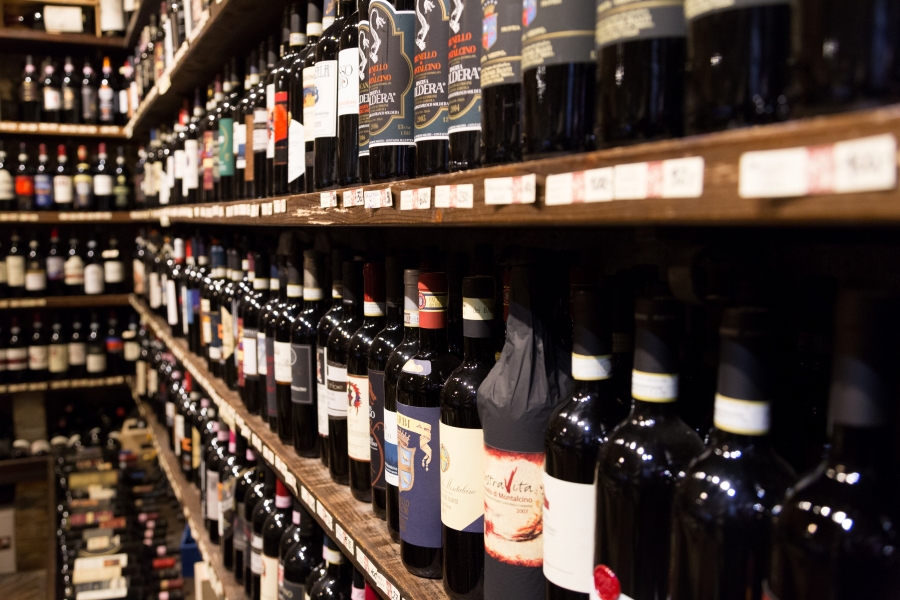
My advice to you is to find a decent wine shop, the bigger the better. They’re more likely to have wines from a wide range of countries. Their prices are also easier on your pocketbook. Then, take advantage of their reward program.

Give Yourself a Treat

Other things we’ve done is to reward our efforts with one or two special bottles a month. I’m talking about a bottle in the $50 to $100 range.

It’s well and good to become experts in everyday wines. But, if you want to learn more, find out what it means from a wine perspective. Price isn’t a guarantee of quality, especially in certain areas. It’s more of a marketing thing.

Making the Most of Your Purchases

But wine has limited quantities so that those supply-and-demand rules can work their magic. We’re not rich. That’s why I created this blog to reach out to everyday folks who love wine within a budget.

Take the road less traveled, as per Robert Frost‘s sound advice.

You’ll find excellent values and wines at affordable prices that your snobbish friends may scorn. Their loss. That’s what makes enjoying wine at this level so exciting. You can find treasures, literally.

Wine is a journey. Enjoy every glass along the way.

Photo by Terry Vlisidis on Unsplash