Earning the French Wine Scholar Certification

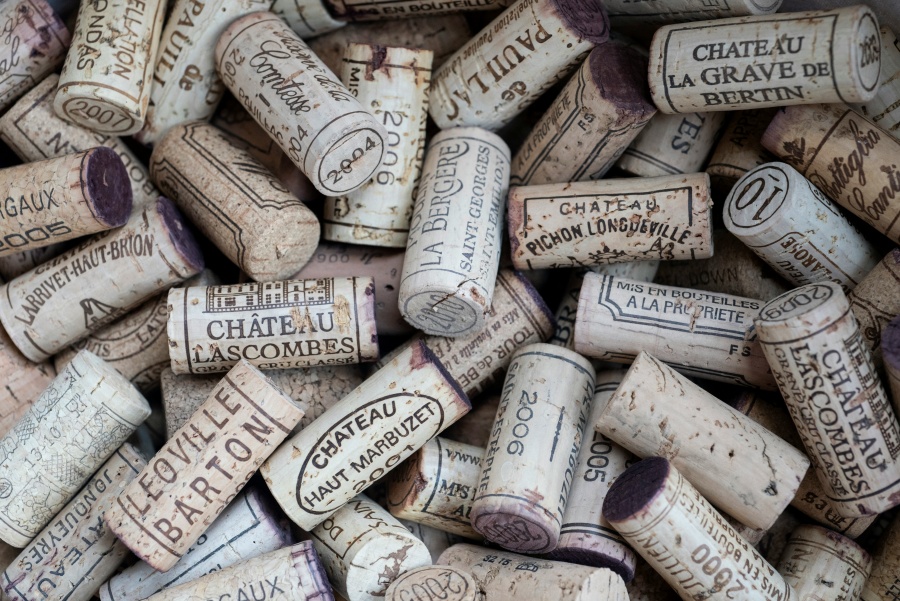
After months of study and shared bottles, I can finally call myself a French Wine Scholar. I passed my exam with the highest honors.

It was a daunting task, learning the culture, history, and geography of another country. It involved learning how to pronounce words and know their meanings. Some may think the stuff outside of wine is unnecessary. However, it’s vital if you truly want to understand the wine.

The Certifying Body

The Wine Scholar Guild offers this certification, along with Italy, Spain, and most recently, Germany. The French Wine Scholar course covers the 14 major wine regions. It’s a deep dive into everything French. Unless you live near wine country, it’s hard to appreciate how integrated the grape and the beverage are entwined into the culture.

Could you imagine a country’s leader declaring a grape variety “injurious to the human creature” as Philip the Bold did in 1395? Gamay, the grape of Beaujolais, was the source of his wrath. I can’t say I’m a member of the Pinotage fan club, but I wouldn’t take it that far.

Studying for the French Wine Scholar certification teaches you about such events, including the story of Joan of Arc. The geography lessons were engaging. Learning that the latitude of Nice in Provence at 43.69 N is not far off the 44.97 of Minneapolis was an eye-opener. It’s easy to understand why the University of Minnesota works on developing cold-hardy grapes.

The Benefits of the French Wine Scholar Certification

This study is challenging. It’s a lot of memorization, flashcards, and reading. The course is not just about wine, either. It also discusses climate change, geology, and wars through the ages. However, all these things have influenced wine’s development. That makes them crucial to study.

I also appreciated the history lessons. World War II left an indelible mark on the history of Champagne. The stories of bravery of people such as those from Moët et Chandon and Taittinger came to light from my interest in learning more about the region. You’ll never look at a bottle the same way.

Champagne. Associated with luxury, celebration, and romance

My studies allowed me to add more grapes to my growing list of sampled varieties. France has its share of those that prefer to keep their feet in French soil. It also was an education to learn how the industry almost lost everything to three unwanted pests in the country via the United States: phylloxera, powdery mildew, and downy mildew.

Wine drove science to find solutions for these vineyard scourges, paving the way for the American wine industry to solve its problems.

Studying for the French Wine Scholar certification opened doors to new insights. It helped me with food-wine pairings. Once you understand the grapes, picking the best bottle for the meal is less stressful.

The French Wine Scholar program allowed me to share bottles with family and friends. Wine truly brings people together. I’ll always treasure the conversations about the wine we drank together. I’ll wear my lapel pin proudly, remembering all the stories and good times.

Photo by Jean-Luc Benazet on Unsplash

Host an Epic Dinner Party with wines rated 94 points under $50
The Push for Indigenous Grapes

We know the so-called international grapes like Cabernet Sauvignon, Chardonnay, and Pinot Noir. The title is fitting, given the global range of these varieties. They are an excellent bridge for newcomers to wine. But what about the indigenous grapes that often have stood the test of time? Where is their place in the sun?

The Barriers to Indigenous Grapes

The names of well-known grapes are familiar and not scary to someone new to wine. They are conversation starters with bottle shop staff. They are also the varieties you’re more likely to see in mass-market offerings. Of course, it helps if the wines have a cute name or feature an animal or attractive label.

Then, there are the indigenous grapes, with names like Xinomavro, Grüner Veltliner, and Lledoner Pelut. Some people have a fear of things they can’t produce in the foods and beverages they consume. That gives some varieties an obstacle out of the gate.

The Unknown Known

The obscurity of some indigenous grapes is another strike against them. We assume if something is good that we’ll see it everywhere. Every winery must have its take on a winner with its unique touches. If no one else sells the variety, something must be wrong or off about it.

However, that goes both ways. There was a time when a popular wine grape suffered the same fate for being over the top. The “Anything But Chardonnay” movement was pushback for the buttery, unctuous California wines that pushed the envelope on flavor during the late 1990s.

The reasons that many indigenous grapes may have stayed under the radar are many. They aren’t all the same. Some are notoriously difficult to grow for a myriad of reasons. Others are more susceptible to vine diseases. Some varieties prefer it warm, whereas some don’t produce good wine if it is too hot, cold, or dry.

The Nebbiolo grape is a classic example. This red variety makes outstanding wines from appellations like Barbaresco and Barolo. It’s royalty among Italian indigenous grapes. However, this variety prefers its feet in northwestern Italy. Others have tried but haven’t succeeded on the scale Nebbiolo has achieved in its homeland.

These peculiarities have pushed some varieties to the point of extinction. Luckily, some, such as Carménère, have found new life in new homes. In this case, this red grape has succeeded admirably in Chile. However, there are other reasons why some indigenous grapes are seeing a renaissance.

The Benefits of Native Grape Varieties

One benefit that indigenous grapes offer lies in their obscurity. If you’re a winemaker and want to stand out from the crowd, what better way than to produce something no one else is doing? Of course, marketing is a big part of the trajectory.

But people love a story. Many varieties have fascinating histories within the communities in which they were developed and grew. It helps to showcase them with a particular dish or cuisine to allow a consumer to enjoy it from a gastronomic perspective.

Another emerging trend exists with young winemakers. Perhaps it was a family business. They might gravitate to the grape varieties their grandfathers grew to add substance to the stories. Or maybe an overlooked row of wines in the vineyard isn’t what they thought it was but instead was an old variety everyone thought was long gone. However, the decision to plant indigenous grapes might be a practical one.

Climate Change

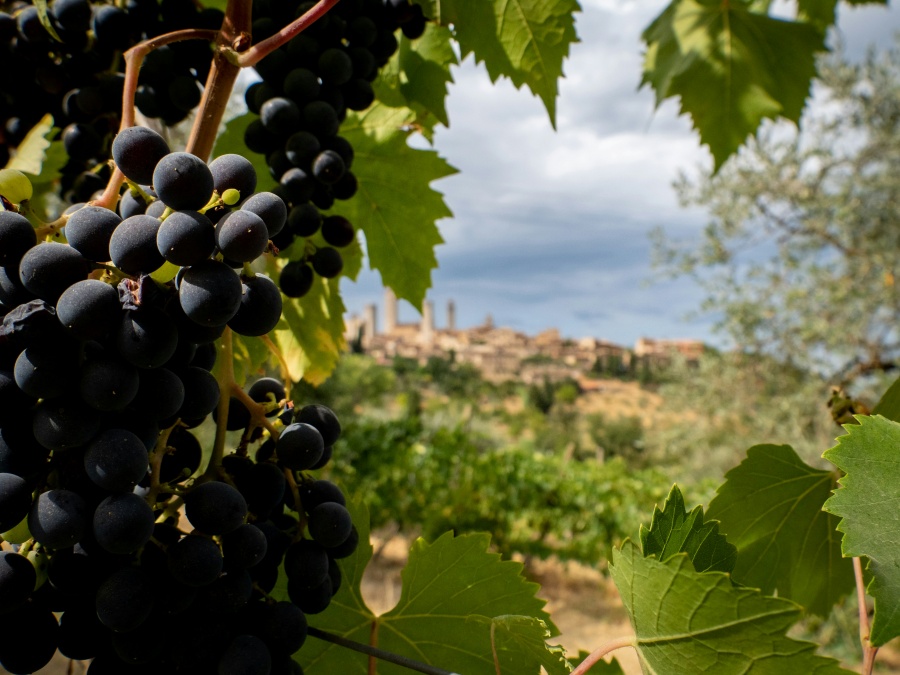
Any experienced gardener will tell you native plants grow best in a particular area instead of delicate non-native ornamental varieties. Their DNA has the necessary traits to deal with the vagarities of the local climate, including challenges like drought and extreme temperatures. That’s why Nebbiolo loves its Italian homeland.

A valuable lesson exists with indigenous grapes. Remember that many factors influence vine growth, such as soil, topography, aspect, and precipitation. The French group these elements under the umbrella of terroir. Opting for these varieties can give winemakers a headstart with plants habituated to the environment and its challenges.

It’s worth noting that whatever a winemaker must do to ensure a successful harvest costs money, whether it’s irrigation or pest control. It’s a critical factor with declines in wine consumption and hits on their bottom line. You can think of it as the essence of sustainability, economically and environmentally.

Final Thoughts

Indigenous grapes have much to offer people new to wine or those well-acquainted with its virtues. They have stories of cultures and endurance. Their names may not roll off your tongue like Cabernet, but they can give you another take on wine to help you appreciate it even more. They can also provide an excellent suggestion for dinner tonight.

Discover Your Favorite Wine.

Photo by Flo P on Unsplash

An Italian Grape With a Story

Every grape has a story. Wine may have started with Vitis vinifera, but it has expanded in countless directions with the 1,368 or so varieties that exist today. It is selective cultivation on a grand scale. That brings us to the story of an Italian grape once threatened with extinction: Minutolo.

The top global varieties haven’t changed much in the last 14 years. Cabernet Sauvignon, Chardonnay, and Merlot all reign supreme. Interestingly, Cabernet Sauvignon is one of the few without a breakup story, such as anything-but-chardonnay (ABC) drama or the “Sideways” saga. Yet, an Italian grape like Minutolo has existed quietly without attracting all the hoopla.

The History of the Italian Grape Minutolo

The story of Minutolo is an ancient one that begins in Puglia, or the heel part of Italy. People knew the grape as Fiano Minutolo because of its resemblance to Fiano. That’s not unusual. Similar situations existed with Carmenère and Merlot in Chile. DNA has helped us establish the correct genetic origins of many grape varieties.

Many cultural stories define Italy since it wasn’t a unified country as we know it today until the early 20th century. Regionalism is very much alive. The Italian grape Minutolo is a part of this journey for this southeastern region. It produces aromatic wines. Hence, its other synonym is Moscatellina.

The wines are also low in alcohol and acidic, making it an excellent pairing with the local seafood cuisine. They would make a delightful match with classic dishes, such as spaghetti with mussels or Orecchiette con Cime di Rapa (easy on the chili). One of the golden rules is pairing wines and foods from the same area. Minutolo is a textbook example.

You may wonder what happened. Each grape variety has its quirks and challenges. Minutolo is no exception. While its vigor is decent, it’s less productive than other varieties. Fiano has greater popularity and may have been one of many factors that brought Minutolo to the brink of extinction, including its superior productivity.

Take the guess work out of buying, learn your Wine style now

Resurrecting Indigenous Italian Grapes

The wine world includes two groups: innovators and traditionalists. The former wants freedom from the regulations of which Italy has a lot. They also want an opportunity to be creative. They’ll accept the lower IGT tier if it holds this promise. Think of the Super Tuscans and where they’ve gone.

The latter involves time-tested methods but often looks toward indigenous grape varieties to solidify its production. Extinction of something is scary. Perhaps human nature also nudges us in this direction. That was part of the motivation behind the I Pástini winery with the Italian grape Minutolo and its “Rampone” offering. This variety offers a means to connect with the past and bring it to modern-day palettes.

It’s the passion of the family winery to bring back their heritage with ancient varieties. They began their mission in 1996, celebrating their first harvest in 2003. The rest, as they say, is history. It’s history in a bottle.

Tasting Minutolo

I am a romantic at heart. A well-written tasting note can easily seduce me into trying a wine. Kermit Lynch describes Minutolo as having a “…gorgeous perfume of blossoming flowers, lemon verbena, and wild sage.” Sold!

My first impression was the juicy acidity that tickled my mouth with its freshness. You can easily imagine the Puglian landscape if you close your eyes and let a light breeze caress you. The nose was moderately intense, with grapefruit and lime zest pungency. It screams for anything seafood that itself would benefit from a squeeze of citrus. Absolutely delightful!

Final Thoughts

Exploring new wines opens you to novel experiences, particularly if you enjoy them with local cuisine. After all, the two grew up together. This Italian grape Minutolo was a pleasant surprise. It was refreshing as an aperitif and equally enjoyable with seafood. I also felt satisfied, knowing I was supporting the worthy mission of I Pástini to save the ancient grapes.

Photo by Tamara Malaniy on Unsplash