If there is anything you can say about rosé, it is that it is a survivor. From its early days as the wine of choice to its decline almost into oblivion, it has stood the test of time. It is even spurring its own revolution. Rosé also keeps reinventing itself. After all, it has come a long way from its beginnings as water-downed wine.
Today, you would be hard-pressed not to find at least one rosé on any decent restaurant’s wine list. It has captured the hearts of everyday drinkers and celebrities alike. What is not to like about a libation that seizes the essence of summer and warm days at the beach? It helps that it is food-friendly too. But rosé has a long story to tell that she continues to write to this day.
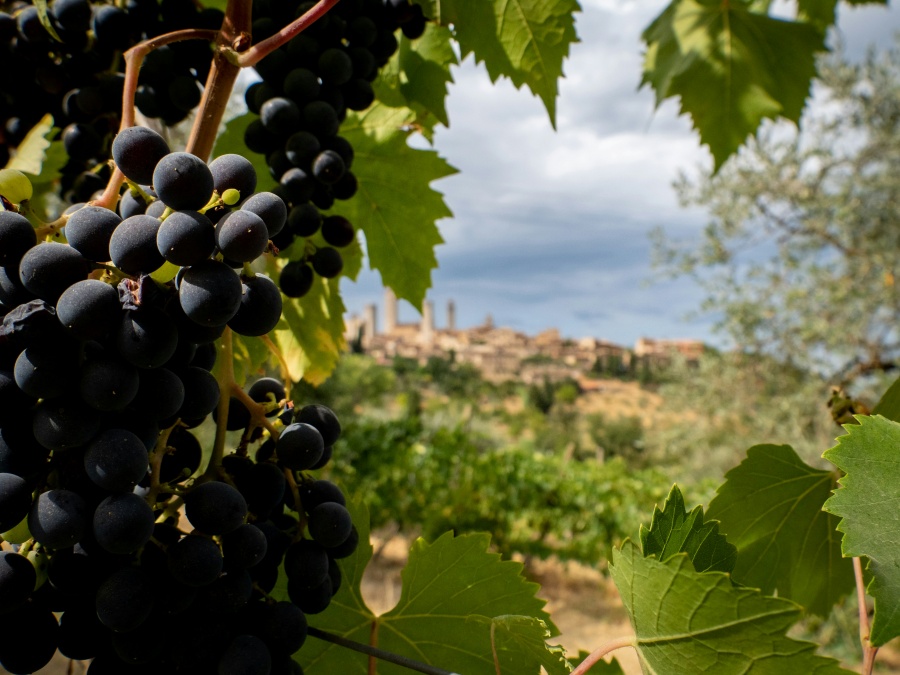
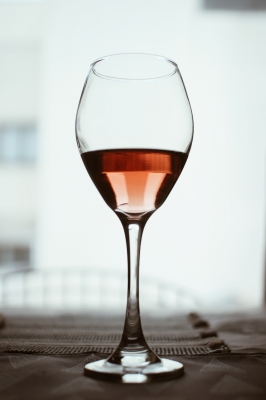
If you scan the shelves at your local wine shop, you’ll likely see a host of grapes used in the production of rosés. Along with the Pinot Noir and Provence blends, you’ll see Grenache, Zweigelt, Bordeaux, and Sangiovese varietals, to name a few. The colors are also varied from pale salmon to deep rose. And with both of these factors are a range of tastes and styles, sure to surprise and delight anyone.
1 Rose’ Wines Were the Thing for Centuries.
The ancient Greeks brought more to the world than philosophy and architecture. They, along with the Romans, started the proverbial wheels turning when it comes to rosé. Their idea was that diluted wines were the civilized thing to do instead of drinking them straight. Only a ne’er-do-well would consider that extreme. It helped that early winemaking had a long way to go toward producing a quaffable bottle.
The Greeks did have that Retsina thing, a white wine made with the essence of pine resin, hence, the name. It is not for the faint of heart. Field blends were also popular back in the day. These are grapes that grow in the same plot and mingle together later in the fermentation vat. The mix of white and red varieties produced light-colored wines similar to today’s rosés. This practice lasted for centuries.
2 There Are Three Ways to Make Rose’ and One Cheater Shortcut.
Rosé is unique among wines in that its definition is blurry. Wines are either white or not white. Instead, rosé stands out for the ways that vintners make it. The first method is to crush the red grapes and let them macerate or steep with the skins. That time together gives the wine its color because of the anthocyanins. These are the pigments that make a plum, a plum and a blueberry, a blueberry.
The longer the juice stays in contact with the skins, the deeper the color becomes. The time is typically short, ranging from a few hours to two days. It also affects the structure of the final product by adding tannins and other compounds to the mix. The direct press method resembles this process but the maceration is limited to two hours or less. These are pale wines with the juice in all its purity.
The Saignée method is like the direct press way in that the contact time is short. The process involves bleeding off some of the juice that will later become red wine. It is somewhat controversial in some segments. Some do not consider it a true rosé but instead a byproduct of red wine production. Then, there is blending.
This way of making rosé is a no-no in Europe, except for Champagne (LINK 4). If you think about it, it is a cheater’s way out no matter how logical it sounds on the surface. Perhaps, it is its association with coloring wine with grape concentrates like the infamous Mega Purple that dooms the practice. It rides too close to the line of methods used by bulk producers to get the color right.
3 White Zinfandel Was a Mistake Waiting to Happen.
We knew that there had to be a story when it comes to white Zinfandel. First, we will start with some background. All grapes produce white juice. The color of red wines comes from the skin contact time as we covered with the methods. The word around the campfire is that winemaker, Bob Trinchero from Sutter Home, ran into some problems with a batch of the vineyard’s white Zinfandel.
The batch failed to complete its fermentation, leaving a sweet wine in its wake. Instead of chalking it to bad luck, Trinchero kept it—and waited. What started as a blunder turned into a lucky break and the beginning of a wine revolution. The end product was sweeter and deeper in color. Wines of this character took on a new name, Blush, which also describes this style of rosé.
4 Rosé Saw a Meteoric Rise in Production and Sales.
White Zinfandel may have brought the idea of rosé wines to the mass audience, but it also played a role in its decline. Things went well until the 1990s. The love affair was showing signs of age and the familiarity that breeds contempt. It disappeared from the wine lists of restaurants and languished in jugs on the bottom shelf. But then a funny thing happened on the way to the forum, or in this case, France.
Tourism to this Old World wine country and slick marketing put rose’s back in the wine shops. The United States and the world caught on to the wine’s craze. From a low of 350 million gallons in 1993, production and sales skyrocketed to nearly 800 million gallons in 2018, making it a record year for rosé with no signs of stopping.
5 The French Drink More Rose’ Than White Wines During the Summer.
Nothing quite says summer like a picnic and a glass of white wine, i.e., unless you are in France. The French are more likely to reach for that bottle of rosé instead. These warm months account for 35 percent of its total sales. That gives this beverage a seasonal quality that not many others do not, save for iced tea or hot chocolate. A similar scene exists here across the pond.
6 France Produces the Most Rose’, but Spain Exports the Most.
France takes the prize for making the most rosé, holding fast onto almost 30 percent of the global market. The country has had some catching up to do to match the growing demand. Production has increased by 50 percent since 2002. The country, together with Spain, the United States, and Italy, commands 80 percent of the worldwide production.
However, France still lags in satisfying the local thirst for the pink drink and sources some elsewhere. The country is the leading importer of rosé. Interestingly, the opposite is the case in Spain, which exports more rosé or rosado as it is known there than any other country. It is sixth in worldwide consumption that has declined in recent years.
7 Rosé Is a Worldwide Phenomenon.
France is not the only one enjoying this delicious nectar. The United States comes in second in consumption, albeit, a distant one at less than half. However, enjoyment worldwide has swelled from a 250-percent rise in the United Kingdom since 2002 to Sweden’s astounding 750-percent uptick. Hong Kong and Canada are also riding the rosé wave.
Four countries—France, the United Kingdom, Germany, and the United States—account for nearly two-thirds of the import market. Whereas still wines are seeing single-digit growth, rosé is taking the world by storm with double digits.
8 Rose’ Is Not Just a Chick Thing.
While its pink color may denote something feminine, men have also embraced rosé wines. In fact, the consumption between men versus women is about the same in the United States, Russia, and Australia. And in Brazil, more men than women drink these wines. But men might be more likely to call it brosé instead, but the statistics speak for themselves.
Celebrities who have caught the rosé bug include Dave Matthews, John Legend, Jon Bon Jovi, and Dwyane Wade. It is not just for girls anymore.
9 Most of the Rosé Sold in the United States Is Around $14.99 or Less.
Perhaps it is because of the pleasant associations we have with rosé that explains it. One of the factors driving total wine sales is affordability. Sure, we could pop for a premium of $30 or more bottle. The fact remains that the majority of rosé sold and bought in the United States is less than $14.99. Part of the reason is production costs.
Generally, rosé is not oaked, except for wines produced in the Rioja region in Spain. Instead, its fruity aromas are the star attractions. Barrel aging would only get in the way of it. That difference means that it cost less to produce rosés compared to the more complex processes and time involved with other types of wine. Rosé, after all, is meant to be drunk young.
10 Rose’ Was the One Thing that Jimi Hendrix, Andre The Giant, and Queen Elizabeth II Had in Common.
World War II was a difficult era for the entire world, to say the least. People wanted an escape from the turmoil going on around them. That gave rise to the popularity of movie theaters, drive-ins, and drinkable wine. Two iconic brands of the era have stood the test of time. Both Lancers and Mateus made rosé mainstream. They had a lot going for themselves as inexpensive but drinkable wines.
Ironically, the shapes of their bottles are as much a part of their brand as the contents inside of them. Lancers conjures images of amphorae, two-handled clay vessels used to store wine and other goods, dating back to wine’s infancy. Mateus resembles the flasks that soldiers carried during World War I. Both are unmistakable. Fortunately, both Portuguese wines have remained true to their roots.
They are sweet and approachable for anyone who wants to start their journey in wine. Perhaps that explains why Jimi Hendrix, Andre The Giant, and Queen Elizabeth II enjoyed Mateus so much. Drinking stories that are the stuff of legends have floated around through the ages involving the first two. The Queen, on the other hand, enjoys her libation quietly when visiting London’s Savoy.
Photo by @plqml | @feliperizo.co on Unsplash