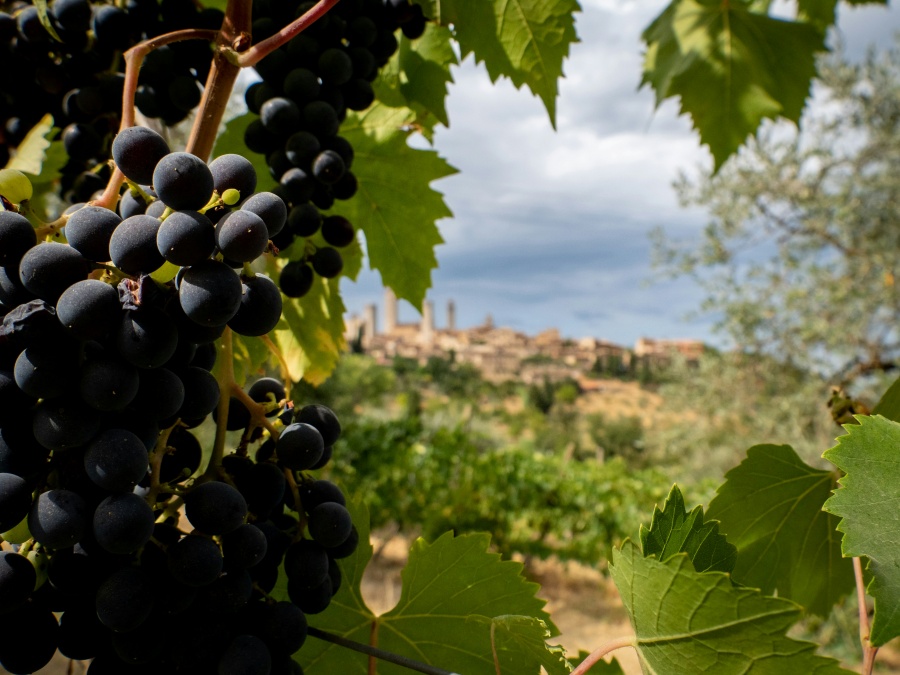
We know the so-called international grapes like Cabernet Sauvignon, Chardonnay, and Pinot Noir. The title is fitting, given the global range of these varieties. They are an excellent bridge for newcomers to wine. But what about the indigenous grapes that often have stood the test of time? Where is their place in the sun?
The Barriers to Indigenous Grapes
The names of well-known grapes are familiar and not scary to someone new to wine. They are conversation starters with bottle shop staff. They are also the varieties you’re more likely to see in mass-market offerings. Of course, it helps if the wines have a cute name or feature an animal or attractive label.
Then, there are the indigenous grapes, with names like Xinomavro, Grüner Veltliner, and Lledoner Pelut. Some people have a fear of things they can’t produce in the foods and beverages they consume. That gives some varieties an obstacle out of the gate.
The Unknown Known
The obscurity of some indigenous grapes is another strike against them. We assume if something is good that we’ll see it everywhere. Every winery must have its take on a winner with its unique touches. If no one else sells the variety, something must be wrong or off about it.
However, that goes both ways. There was a time when a popular wine grape suffered the same fate for being over the top. The “Anything But Chardonnay” movement was pushback for the buttery, unctuous California wines that pushed the envelope on flavor during the late 1990s.
The reasons that many indigenous grapes may have stayed under the radar are many. They aren’t all the same. Some are notoriously difficult to grow for a myriad of reasons. Others are more susceptible to vine diseases. Some varieties prefer it warm, whereas some don’t produce good wine if it is too hot, cold, or dry.
The Nebbiolo grape is a classic example. This red variety makes outstanding wines from appellations like Barbaresco and Barolo. It’s royalty among Italian indigenous grapes. However, this variety prefers its feet in northwestern Italy. Others have tried but haven’t succeeded on the scale Nebbiolo has achieved in its homeland.
These peculiarities have pushed some varieties to the point of extinction. Luckily, some, such as Carménère, have found new life in new homes. In this case, this red grape has succeeded admirably in Chile. However, there are other reasons why some indigenous grapes are seeing a renaissance.
The Benefits of Native Grape Varieties
One benefit that indigenous grapes offer lies in their obscurity. If you’re a winemaker and want to stand out from the crowd, what better way than to produce something no one else is doing? Of course, marketing is a big part of the trajectory.
But people love a story. Many varieties have fascinating histories within the communities in which they were developed and grew. It helps to showcase them with a particular dish or cuisine to allow a consumer to enjoy it from a gastronomic perspective.
Another emerging trend exists with young winemakers. Perhaps it was a family business. They might gravitate to the grape varieties their grandfathers grew to add substance to the stories. Or maybe an overlooked row of wines in the vineyard isn’t what they thought it was but instead was an old variety everyone thought was long gone. However, the decision to plant indigenous grapes might be a practical one.
Climate Change
Any experienced gardener will tell you native plants grow best in a particular area instead of delicate non-native ornamental varieties. Their DNA has the necessary traits to deal with the vagarities of the local climate, including challenges like drought and extreme temperatures. That’s why Nebbiolo loves its Italian homeland.
A valuable lesson exists with indigenous grapes. Remember that many factors influence vine growth, such as soil, topography, aspect, and precipitation. The French group these elements under the umbrella of terroir. Opting for these varieties can give winemakers a headstart with plants habituated to the environment and its challenges.
It’s worth noting that whatever a winemaker must do to ensure a successful harvest costs money, whether it’s irrigation or pest control. It’s a critical factor with declines in wine consumption and hits on their bottom line. You can think of it as the essence of sustainability, economically and environmentally.
Final Thoughts
Indigenous grapes have much to offer people new to wine or those well-acquainted with its virtues. They have stories of cultures and endurance. Their names may not roll off your tongue like Cabernet, but they can give you another take on wine to help you appreciate it even more. They can also provide an excellent suggestion for dinner tonight.
Discover Your Favorite Wine.