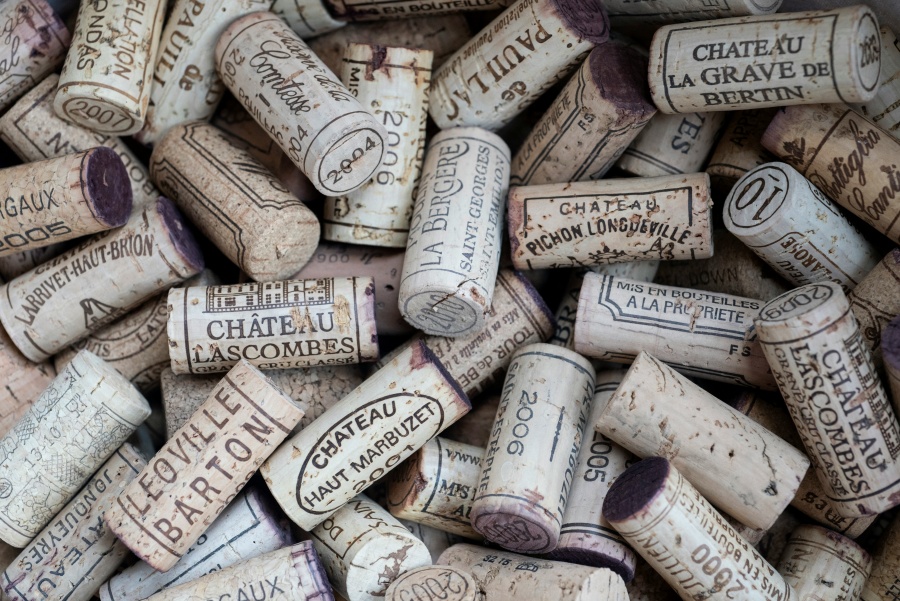
Earning the French Wine Scholar Certification

After months of study and shared bottles, I can finally call myself a French Wine Scholar. I passed my exam with the highest honors.

It was a daunting task, learning the culture, history, and geography of another country. It involved learning how to pronounce words and know their meanings. Some may think the stuff outside of wine is unnecessary. However, it’s vital if you truly want to understand the wine.

The Certifying Body

The Wine Scholar Guild offers this certification, along with Italy, Spain, and most recently, Germany. The French Wine Scholar course covers the 14 major wine regions. It’s a deep dive into everything French. Unless you live near wine country, it’s hard to appreciate how integrated the grape and the beverage are entwined into the culture.

Could you imagine a country’s leader declaring a grape variety “injurious to the human creature” as Philip the Bold did in 1395? Gamay, the grape of Beaujolais, was the source of his wrath. I can’t say I’m a member of the Pinotage fan club, but I wouldn’t take it that far.

Studying for the French Wine Scholar certification teaches you about such events, including the story of Joan of Arc. The geography lessons were engaging. Learning that the latitude of Nice in Provence at 43.69 N is not far off the 44.97 of Minneapolis was an eye-opener. It’s easy to understand why the University of Minnesota works on developing cold-hardy grapes.

The Benefits of the French Wine Scholar Certification

This study is challenging. It’s a lot of memorization, flashcards, and reading. The course is not just about wine, either. It also discusses climate change, geology, and wars through the ages. However, all these things have influenced wine’s development. That makes them crucial to study.

I also appreciated the history lessons. World War II left an indelible mark on the history of Champagne. The stories of bravery of people such as those from Moët et Chandon and Taittinger came to light from my interest in learning more about the region. You’ll never look at a bottle the same way.

Champagne. Associated with luxury, celebration, and romance

My studies allowed me to add more grapes to my growing list of sampled varieties. France has its share of those that prefer to keep their feet in French soil. It also was an education to learn how the industry almost lost everything to three unwanted pests in the country via the United States: phylloxera, powdery mildew, and downy mildew.

Wine drove science to find solutions for these vineyard scourges, paving the way for the American wine industry to solve its problems.

Studying for the French Wine Scholar certification opened doors to new insights. It helped me with food-wine pairings. Once you understand the grapes, picking the best bottle for the meal is less stressful.

The French Wine Scholar program allowed me to share bottles with family and friends. Wine truly brings people together. I’ll always treasure the conversations about the wine we drank together. I’ll wear my lapel pin proudly, remembering all the stories and good times.

Photo by Jean-Luc Benazet on Unsplash

Host an Epic Dinner Party with wines rated 94 points under $50
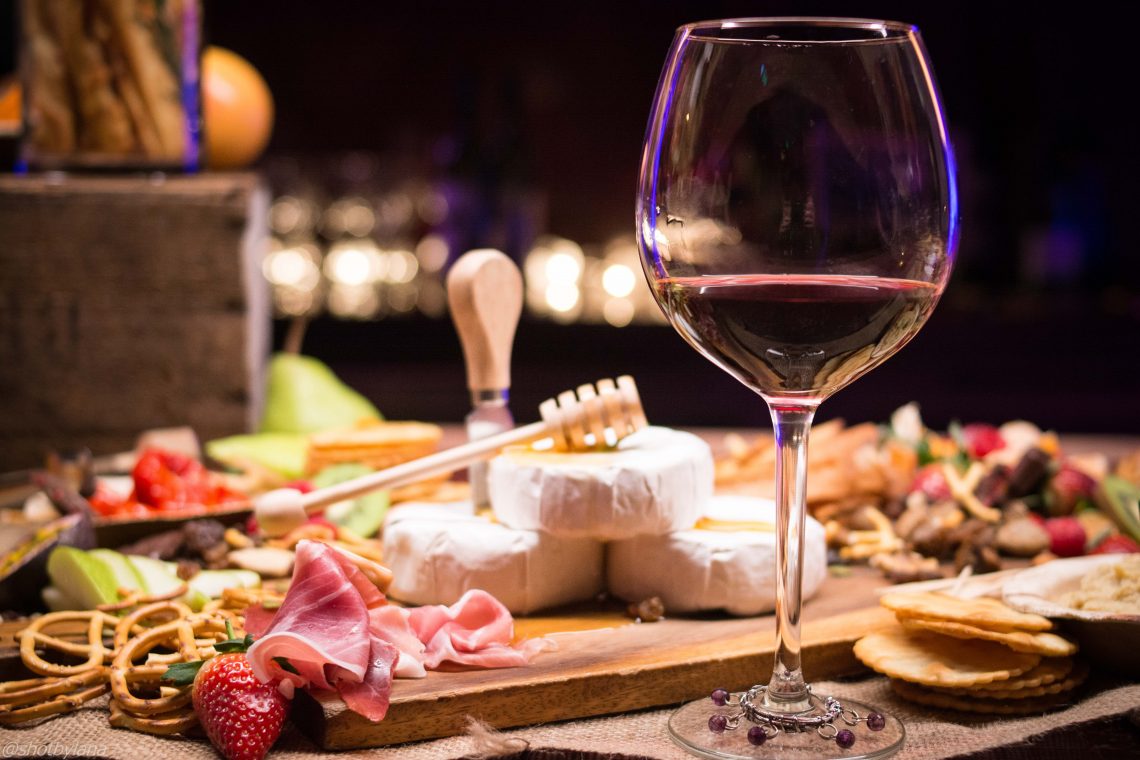
The Challenge of Wine-Food Pairing

Pairing the right food and wine is a daunting task.

It’s not hard if you’re dealing with basic dishes. It’s pretty straightforward in part, because the tastes are familiar. We all know what a grilled steak or hunk of cheddar tastes like. Those things give us an edge when selecting a wine even if we’re not conscious of it at the time.

The challenge comes from that wild card. It can be a sauce, spice, or herb that throws us for a loop. It may rest with the way you prepared a meal. A braised hunk of meat tastes a world apart from one that you’ve cooked over the coals.

Then, there are those so-called established rules.

The First Rule Is That There Are No Rules

One of the most cerebral books about pairing that I’ve ever read is David Rosengarten and Joshua Wesson treatise, “Red Wine With Fish: The New Art of Matching Wine With Food.”

The authors’ logic is surprisingly simple. It makes sense! The principles mirror that of cooking. In fact, it helps if you like to do it to make the transition into pairing.

After all, there’s a reason that sweet and sour pork is a thing. Take notes! The culinary world has it down.

The book is an unabashed attack on what many consider sacred. The authors shoot down the dos and don’ts of pairing with tasty examples to prove their points.

They also propose a new approach that begins at a base level of what’s going on on your tongue to what you smell to what you feel. I’ll forgive them for perpetuating the myth that there are regions on your tongue for sweet, sour, salty, and bitter. Science, after all, is provisional and therein lies its strength.

Learning What Works

Experimentation is the thing when it comes to tackling this subject. My husband and I tried a simple approach when we went out to eat last weekend.

We shared a pizza with all the fixings like pepperoni, green peppers, onions, and of course, mushrooms. He ordered a Chianti and me, a Barbera. What we found was that by manipulating the dish we could alter the pairing.

We tried it as-is and with a little salt sprinkled on it. That brought out the sweetness in the wines and tamed them done considerably.

We did the same thing with crushed red pepper. That addition brought out some bitterness and increased the burn noticeably.

The fun thing about this experiment was how aware it made both of us about how we could fix an average pairing and make it better. I’ll be keeping it in mind when we go out to dinner tonight.

I’ll explore this fascinating area of wine knowledge further with my takes on the matter. Of course, it’s subjective. I’m counting on the fact that there are a few out there who have the same genetic mix to taste the same things, the same ways.

Photo by Lana Abie on Unsplash

Welcome to Wining with Chris

The purpose of this blog is twofold. First, I wanted to keep a virtual diary of my experiences vying for the coveted, Certified Specialist of Wine title from the Society of Wine Educators.

Second, I wanted to share our wine experiences. Now, I’m not talking globe-trotting and visiting wineries in France and Italy. I’m focusing on everyday things like trying new wines and finding food pairings. I’ll discuss bottles you can buy at your local wine shop that are affordable and perhaps, a stretch from the usual glass of chardonnay or cab.

Most of all, it’s about having fun and enjoying the journey. That’s where the real enjoyment lies. I’ll also add some local twists with news about the scene on Lake Minnetonka in the land of 10,000 lakes.

So, grab a glass and your favorite bottle, and let’s talk wine and food and everything that makes life great.

In the words of the inestimable Ernest Hemingway,

Wine is the most civilized thing in the world.”

Photo by Remo Vilkko on Unsplash